Die vergessene Rettung der ersten Weltumsegelung
Die erste Weltumsegelung unter Ferdinand Magellan (1519–1522) war nicht nur ein Meilenstein der Entdeckungsgeschichte, sondern auch ein dramatischer Kampf gegen Hunger, Durst und Krankheiten. Besonders der Skorbut, eine Vitamin-C-Mangelkrankheit, forderte während der monatelangen Überfahrt über den Pazifik zahlreiche Opfer. Doch es gab eine unerwartete Rettung: Wilden Sellerie, den die Mannschaft an Land fand.
Die tödliche Bedrohung: Skorbut auf See

Während der Überquerung des Pazifiks litten Magellans Männer unter extremen Entbehrungen. Die Vorräte waren knapp, und die Besatzung musste sich von verdorbenem Schiffszwieback, Ratten und sogar Sägespänen ernähren. Skorbut breitete sich aus – eine Krankheit, die durch Vitamin-C-Mangel verursacht wird und zu Zahnfleischbluten, Wundheilungsstörungen und schließlich zum Tod führt. Antonio Pigafetta, der Chronist der Expedition, berichtete, dass von den 166 Männern, die den Pazifik überquerten, 19 starben und „25 oder 30 an verschiedenen Krankheiten erkrankten".
Die Rettung: Wildes Gemüse an Land
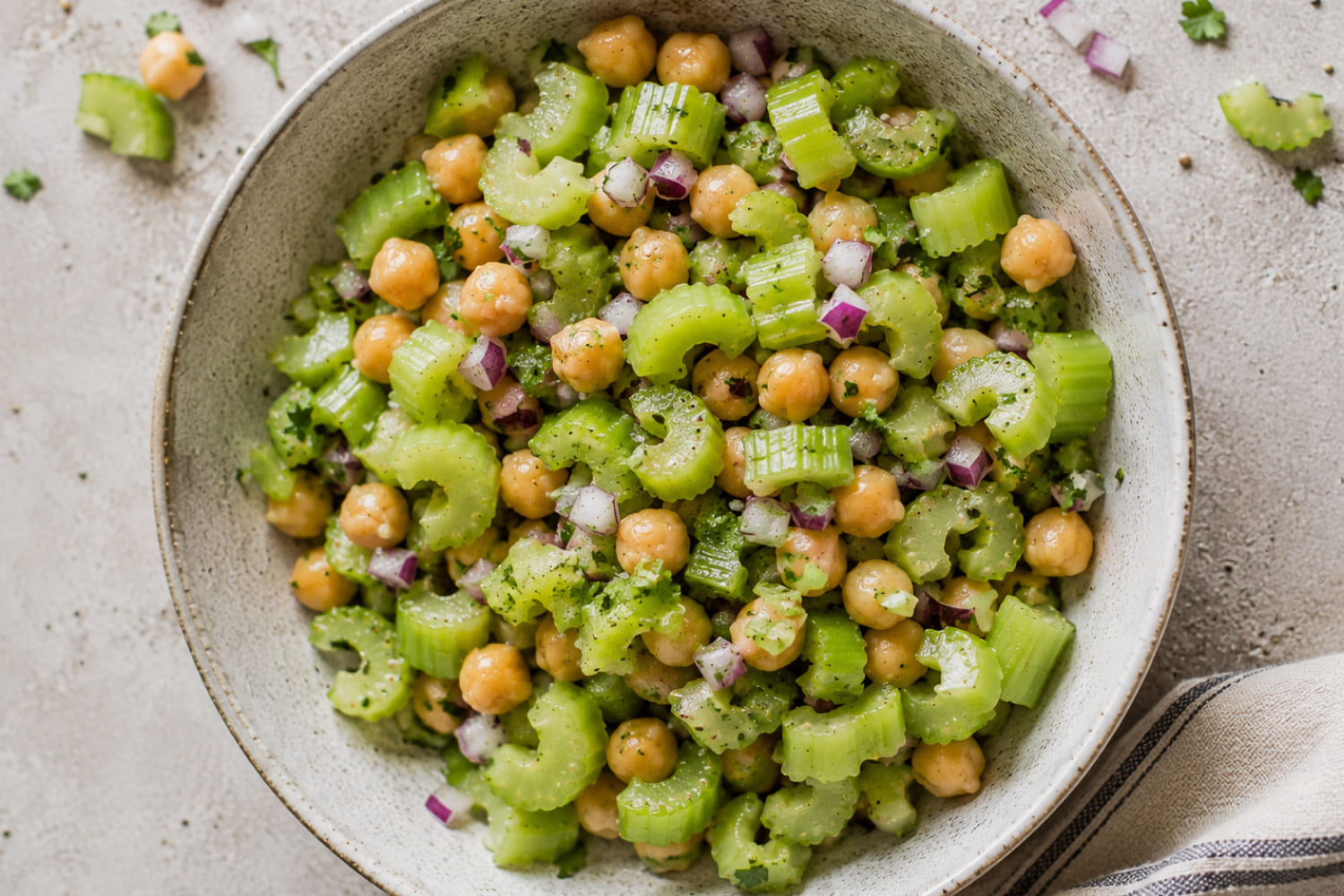
Die Wende kam, als die Schiffe im Oktober 1520 den . Pigafetta beschrieb in seinem Tagebuch, wie die Männer dort eine süße Pflanze fanden, die sie „appio“ nannten – heute als identifiziert. Dieser Sellerie war reich an Vitamin C, auch wenn die Seeleute das damals nicht wussten. „Wir fanden ein sehr süßes Kraut namens appio, von dem es auch eine bittere Sorte gibt. Es wächst in der Nähe von Quellen, und da wir nichts anderes hatten, aßen wir davon mehrere Tage lang“. Dank dieses Zufallsfunds erholten sich viele der erkrankten Männer.
Warum überlebten Magellan und seine Offiziere?
Interessanterweise erkrankten Magellan und seine Offiziere nicht an Skorbut. Historiker vermuten, dass sie , die ebenfalls Vitamin C enthielten – wenn auch in geringeren Mengen als frisches Gemüse. Diese Quittenmarmelade war im 16. Jahrhundert ein bekanntes Heilmittel, das unbewusst vor Skorbut schützte.
Die Bedeutung für die Seefahrt
Magellans Expedition zeigte, wie wichtig frische Lebensmittel auf langen Seereisen sind. Spätere Entdecker wie James Cook setzten gezielt auf , um Skorbut zu bekämpfen. Doch Magellans Männer waren Pioniere: Ihr Zufallsfund von wildem Sellerie bewies, dass konnten.