Introduction
The consumption of ultra-processed foods in Germany has reached alarming levels. These products, often loaded with unhealthy ingredients and low in nutrients, contribute significantly to the rise in obesity, diabetes, and cardiovascular disease. But what exactly are ultra-processed foods, and how can we better protect ourselves?
What are ultra-processed foods?
Ultra-processed foods are industrially manufactured products that bear little resemblance to natural ingredients. They often contain:
- Addition of sugar, salt and unhealthy fats
- Artificial flavors, colors and preservatives
- Emulsifiers, stabilizers and other additives
These foods are high in calories but low in nutrients. They are designed to be especially tasty, have a long shelf life, and be profitable – often at the expense of health.
Difference to processed foods
Processed foods (e.g., frozen vegetables or canned goods) undergo simple processing steps such as refrigeration or freezing. Ultra-processed foods, on the other hand, are the result of complex industrial processes with many additives.
Why are these foods so widespread?
- Industrialization of food production : Efficiency and shelf life are paramount, not nutritional quality.
- Marketing strategies : Food manufacturers advertise these products as convenient, affordable, and delicious.
- Changing lifestyles : Fewer and fewer people cook fresh meals; instead, they resort to convenience foods.
- Low awareness : Many consumers are unaware of the risks.
Health risks: obesity, diabetes & heart disease
obesity
Ultra-processed foods are high in calories but barely satisfy hunger. They promote cravings and weight gain.
diabetes
The high sugar and carbohydrate content leads to blood sugar spikes and insulin resistance – a major risk factor for type 2 diabetes.
Cardiovascular diseases
Trans fats, salt and sugar damage blood vessels, increase blood pressure and promote heart attacks.
How can you identify ultra-processed foods?
Pay attention to the ingredient list:
- Types of sugar (e.g. glucose-fructose syrup)
- Hydrogenated fats (trans fats)
- Artificial additives (E numbers)
- Refined carbohydrates (white flour, white rice)
The longer the list of ingredients, the more likely it is to be an ultra-processed product.
Healthier alternatives: Tips for a better diet
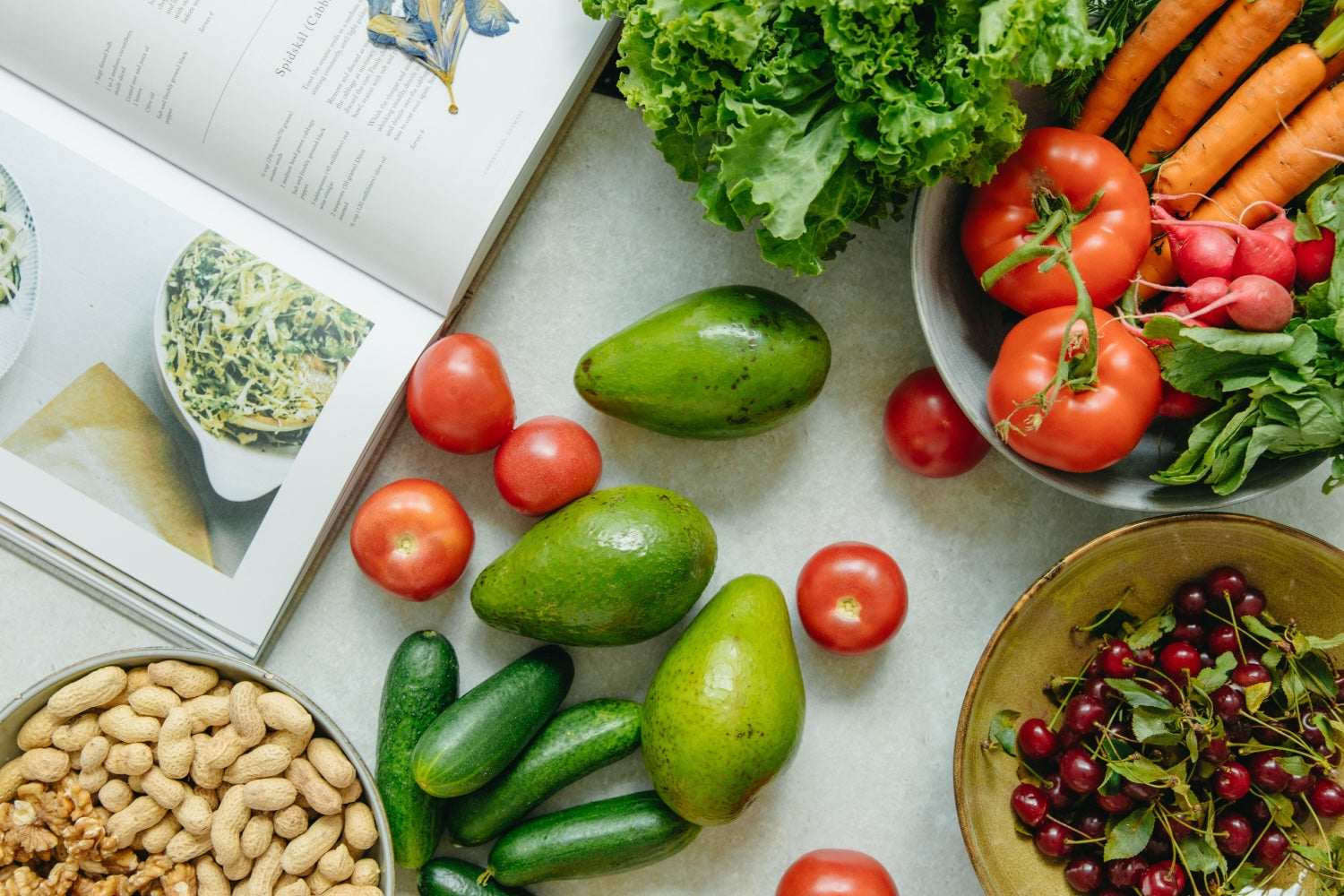
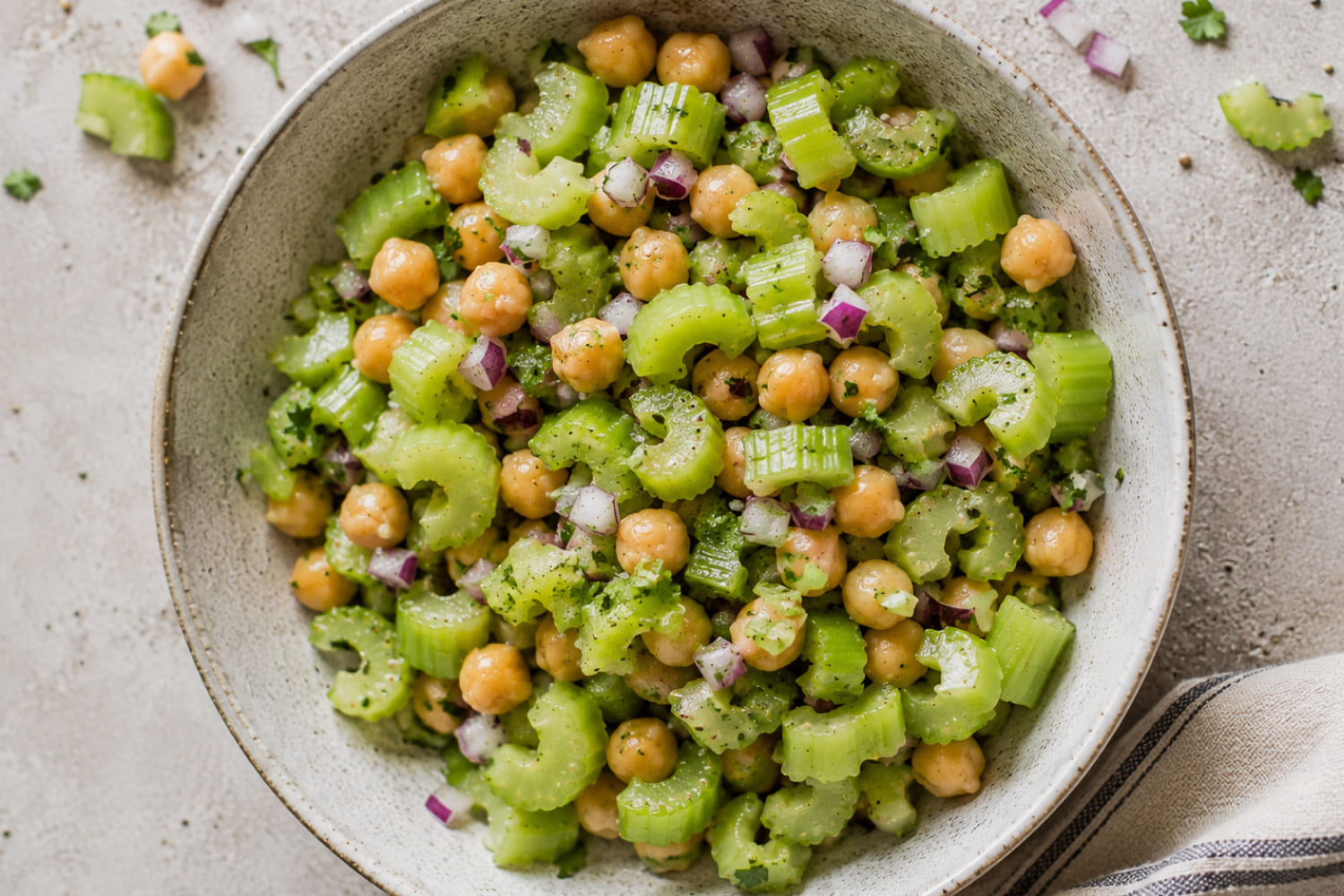
- Prefer fresh ingredients : fruits, vegetables, whole grains and legumes.
- Cooking for yourself : This is how you keep control over the ingredients.
- Shop consciously : Avoid ready-made meals with long ingredient lists.
- Utilize community initiatives : Cooking classes, urban gardening or weekly markets promote healthy eating.
Conclusion: Back to naturalness – Why I·DO organic juices are a healthy alternative
The scientific evidence is clear: Ultra-processed foods are directly linked to an increased risk of obesity, type 2 diabetes, cardiovascular disease, and even a reduced life expectancy. Studies by the German Nutrition Society (DGE) and international meta-analyses show that already 50% of the energy intake of German adults comes from such products – with serious consequences for public health .
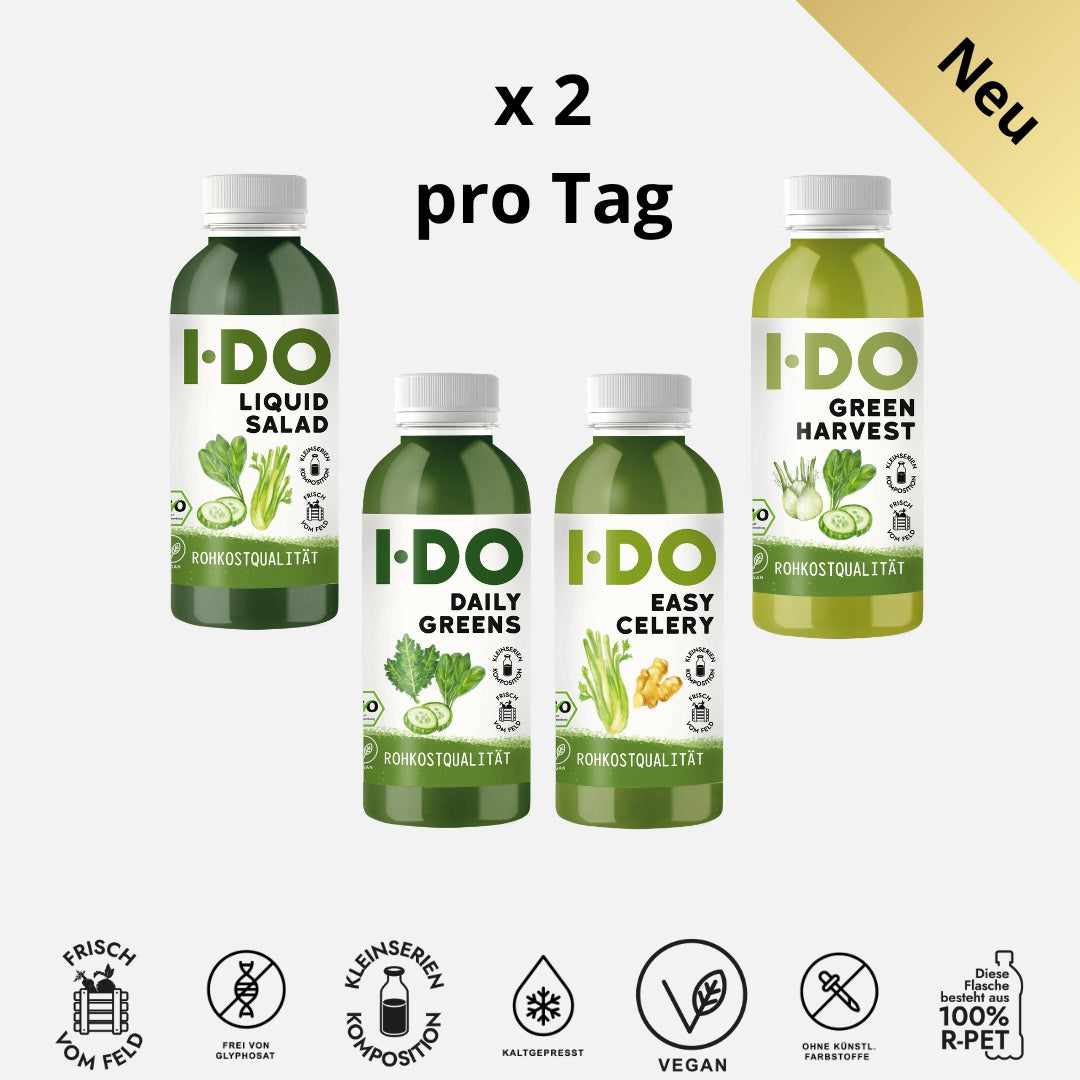
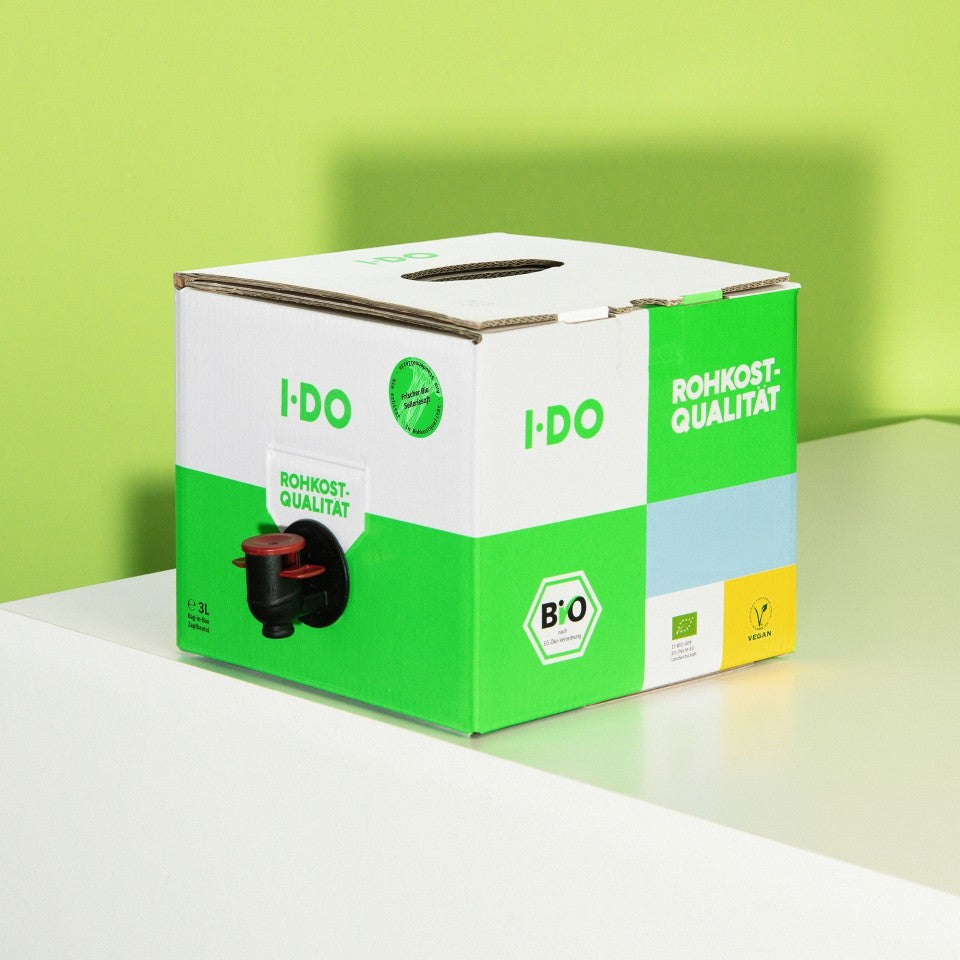
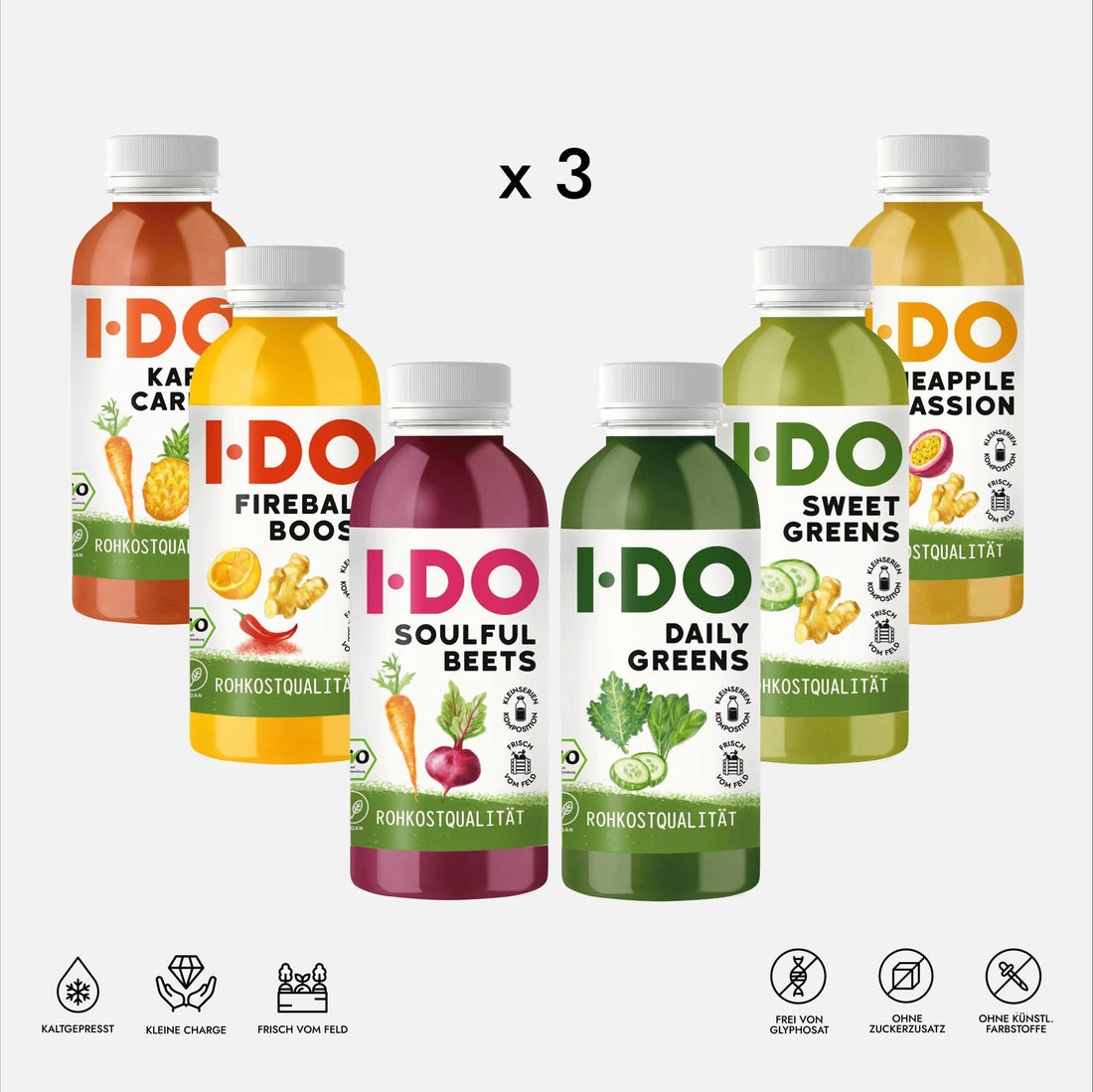
But there is a way out: conscious nutrition with unprocessed, nutrient-rich foods . This is where I·DO organic raw food juices come in. They are cold-pressed and stabilized by high pressure , without additives, preservatives, or artificial flavorings. This optimally preserves vitamins, enzymes, and phytochemicals – unlike industrially processed juices or convenience foods.
Why I·DO organic juices are a smart choice:
- No heavy processing : No heat or chemical treatment that destroys nutrients.
- High nutrient density : Rich in antioxidants, vitamins and minerals from 100% organic ingredients.
- No marketing noise, just quality : I·DO focuses on transparency and genuine ingredients – without empty promises.
- Ideal for detox and fasting programs : Perfectly suited to programs such as the liver fasting course, with a shelf life of approximately 10 days for maximum freshness.
In a world where convenience often comes at the expense of health, I·DO organic juices offer a simple yet radical alternative : real food that supports the body instead of burdening it. A conscious choice for I·DO is therefore not just a step away from ultra-processed products, but a step towards greater vitality, natural energy, and long-term health.
Scientific sources on the risks of ultra-processed foods:
- DGE (2023/2024): Systematic review on the relationship between ultra-processed foods and chronic diseases (obesity, diabetes, cardiovascular diseases) → DGE – How do highly processed foods affect health?
- BMJ (2024): Umbrella review of ultra-processed foods and 32 health risks (including cancer, cardiovascular disease, mental disorders ) → Lane et al. (2024), BMJ
- Lancet Regional Health (2023/2024): Studies on insulin resistance, diabetes and cardiovascular risks from ultra-processed foods.
- Nutrition Radar (2025): Current research findings and policy measures against the consumption of ultra-processed products