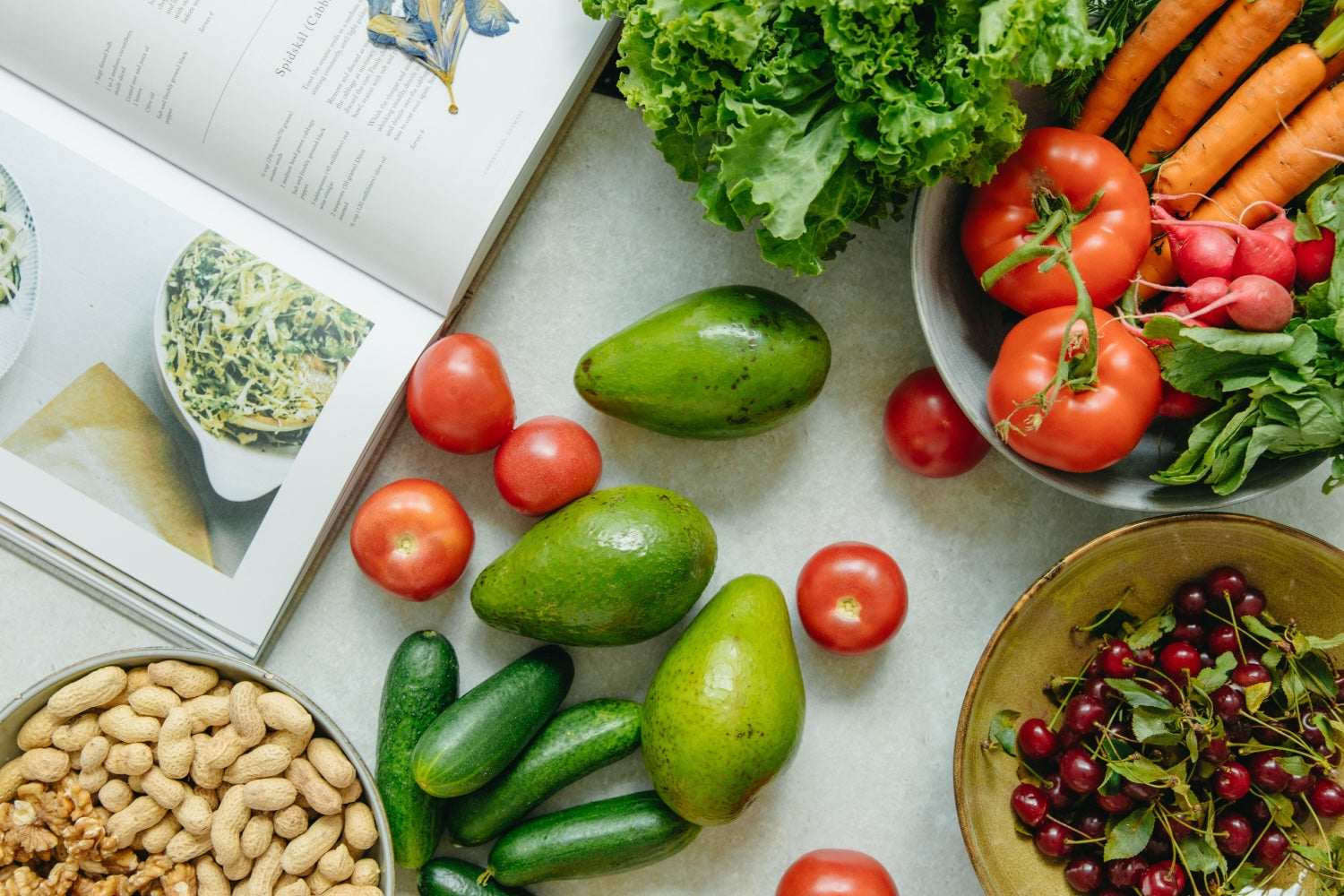
Fatigue, concentration problems, an immune system that isn't working as it should – these are often quickly attributed to stress or poor sleep. What is often overlooked is that an inadequate supply of micronutrients can cause very similar symptoms. And it is more widespread than most people think. A 2024 study in The Lancet Global Health, conducted by researchers from UC Santa Barbara, Harvard, and the Global Alliance for Improved Nutrition, showed that more than half of the world's population has an inadequate intake of at least one essential micronutrient (1).
Key Takeaways
- Micronutrients are vitamins and minerals that the body needs in small amounts. Most of these cannot be produced by the body itself, which is why they must be obtained through diet (2).
- More than half of the world's population does not consume enough of at least one essential micronutrient; calcium, iodine, vitamin E, and iron are particularly affected (1).
- Micronutrients are involved in key bodily functions such as energy metabolism, the immune system, nerves, bones, and cognitive performance (3).
- A high variety of fruits and vegetables is associated with a better supply of vitamin A, vitamin C, potassium, and magnesium (4).
- Cold-pressed organic raw food juices made from vegetables and fruits can be a practical way to consume more plant diversity daily.
What are micronutrients and how do they differ from macronutrients?

Macronutrients – carbohydrates, fats, proteins – provide energy. Micronutrients do not provide calories, but they are essential for almost every process in the body. The name says it all: they are needed in small amounts, often in the milligram or microgram range (2).
These include:
- 13 vitamins: 9 water-soluble (B vitamins and vitamin C) and 4 fat-soluble (vitamins A, D, E, K)
- Minerals such as calcium, magnesium, potassium, sodium, and iron
- Trace elements such as zinc, iodine, selenium, and manganese (2)
Important to know: Water-soluble vitamins are hardly stored and must be supplied regularly. The body can store fat-soluble vitamins, but a very high intake through supplements can also become problematic.
What does the body need micronutrients for?
- Energy and Cognition. B vitamins, magnesium, and vitamin C are directly involved in energy metabolism. They help convert carbohydrates, fats, and proteins into usable energy and are associated with concentration and mental performance (3).
- Immune system. Vitamin C, vitamin D, zinc, and selenium play a well-documented role in immune function. A deficiency can impair the body's defenses (2).
- Bones and Muscles. Calcium, vitamin D, and magnesium work together in bone formation and muscle contraction. Magnesium alone is involved in over 300 biochemical reactions in the body (5).
- Cell protection. Vitamin C, vitamin E, and carotenoids protect cells from oxidative stress. Increased fruit and vegetable consumption is associated with higher antioxidant levels in the blood in studies (6).
Micronutrient deficiency: more common than thought
Many deficiencies develop insidiously without symptoms that can be immediately attributed to diet. The 2024 Lancet study analyzed the supply situation in 185 countries: more than 5 billion people do not consume enough iodine, and over 4 billion too little vitamin E and calcium (1). In Germany, too, data show gaps, particularly in vitamin D, folate, iodine, and calcium.
Vitamin D is a special case. The body produces it itself, but only with sufficient sunlight exposure. In Central Europe, this is often not enough during the winter months.
The causes are rarely a single problem: unbalanced diet, little variety on the plate, too many highly processed foods that provide calories but hardly any micronutrients.
How to meet your micronutrient needs through diet

For most healthy people, a varied, plant-rich diet is sufficient. Supplements can be useful, but they are not a substitute for dietary quality.
What research clearly shows: variety is more crucial than quantity. A higher variety of fruits and vegetables is directly related to a better intake of vitamin A, vitamin C, potassium, and magnesium (4). So it's not about eating ten types of vegetables every day, but consciously alternating.
Some food groups and their strengths (2):
- Dark leafy greens (spinach, kale, chard): folate, vitamin K, iron, magnesium, vitamin C
- Root vegetables and gourds (carrots, sweet potatoes, pumpkin): beta-carotene, potassium, vitamin C
- Legumes (lentils, chickpeas, beans): folate, iron, magnesium, zinc
- Nuts and seeds (almonds, pumpkin seeds, hemp seeds): vitamin E, magnesium, zinc, selenium
- Citrus fruits and berries: vitamin C, folate, polyphenols
- Fatty fish (salmon, mackerel, sardines): vitamin D, vitamin B12, omega-3
I·DO Organic Raw Food Juices and Plant Diversity
 Many of the ingredients that appear in research on micronutrients and plant compound diversity are also found in I·DO Organic Raw Food Juices:
- I·DO Daily Greens combines kale, spinach, cucumber, apple, and lemon.
- I·DO Liquid Salad features cucumber, celery, spinach, apple, lemon, and spirulina.
- I·DO Pineapple Passion brings together apple, pineapple, lemon, passion fruit, ginger, and turmeric.
- I·DO Karma Carrot combines apple, carrot, pineapple, and lemon.
- I·DO Green Harvest brings together cucumber, fennel, spinach, and basil.
And there's much more to discover. From ginger shots to other fruity and green varieties, I·DO has something for every taste. Want to try the variety first? In the tasting package, you can put together several varieties.
Practical Tips for Everyday Life
- Keep your plate colorful. Different colors often stand for different micronutrients and plant compounds. By varying your intake, you automatically cover a broader spectrum (4, 6).
- Don't forget magnesium. Magnesium is involved in numerous metabolic processes in the body. Good plant-based sources include nuts, seeds, legumes, whole grains, and green leafy vegetables (5).
- Combine fat-soluble vitamins with healthy fats. Vitamins A, D, E, and K are better absorbed when fat is consumed at the same time. A drizzle of olive oil over a salad makes a real difference (2).
- Eat vitamin C and plant-based iron together. Iron from legumes or spinach is absorbed much better when vitamin C is consumed at the same time, for example, lemon juice in dressing or strawberries as a side dish (2).
- Take your own needs seriously. Inadequate micronutrient intake is more widespread globally than often assumed, even where there is enough food available (1).
- Clarify deficiencies specifically. If you are regularly tired or have difficulty concentrating, you can get a blood test from your family doctor. Particularly relevant are vitamin D, iron, ferritin, folate, and vitamin B12 (3).
Conclusion
Micronutrients are not a side note in nutrition, but its foundation. We often only realize how important they are when something is missing. The crucial lever is not perfection, but variety on the plate: more fruit, more vegetables, more diversity. And precisely this diversity can be easily incorporated into daily life with I·DO Organic Raw Food Juices.
Sources
- Passarelli S et al. Estimating inadequate micronutrient intakes in the global population: a modelling analysis. Lancet Global Health. 2024;12(10).
- Godswill AC, Somtochukwu IV, Ikechukwu AO, Kate EC. Health Benefits of Micronutrients (Vitamins and Minerals) and their Associated Deficiency Diseases: A Systematic Review. Int J Food Sciences. 2020;3(1):1–32. researchgate.net
- Tardy AL, Pouteau E, Marquez D, Yilmaz C, Scholey A. Vitamins and Minerals for Energy, Fatigue and Cognition: A Narrative Review of the Biochemical and Clinical Evidence. Nutrients. 2020;12(1):228.
- Nishi SK, Khoury N, Valle Hita C, Zurbau A, Salas-Salvadó J, Babio N. Vegetable and Fruit Intake Variety and Cardiovascular Health and Mortality. Nutrients. 2023;15(23):4913.
- Jahnen-Dechent W, Ketteler M. Magnesium basics. Clin Kidney J. 2012;5(Suppl 1):i3–i14.
- Devirgiliis C, Guberti E, Mistura L, Raffo A. Effect of Fruit and Vegetable Consumption on Human Health: An Update of the Literature. Foods. 2024;13(19):3149.