Key Takeaways:
- Electrolytes like sodium, potassium, and magnesium are crucial for the body to retain water in cells. While drinking plenty of pure water is essential, it's not always sufficient (1).
- Sweating primarily leads to the loss of sodium and chloride. Replenishing these through diet and fluids is especially important on hot days (2).
- Magnesium is involved in over 300 biochemical processes in the body, including muscle and nerve function (3).
- Fatigue, difficulty concentrating, and muscle cramps can be early signs of an inadequate fluid and electrolyte balance (4).
- Food contributes to approximately 20% of daily fluid intake; water-rich fruits and vegetables support hydration in addition to drinking (5).
-
I·DO Organic Cold-Pressed Juices combine water-rich fruits and vegetables in a convenient 240ml size.
Electrolytes – what they are and why they play an important role in summer
Electrolytes are minerals that carry an electrical charge in body fluids. They are responsible for:
- Fluid balance inside and outside cells
- Nerve conduction and muscle contraction
- pH regulation in the blood
- Transport of nutrients into cells (1)
The most important electrolytes and their roles at a glance:
- Sodium: keeps fluid stable outside the cells, regulates blood pressure
- Potassium: ensures balance within the cells, supports heart function and muscles
- Magnesium: supports muscles, nerves and is involved in over 300 biochemical reactions
- Calcium: enables muscle contractions and stabilizes blood pressure (1,3)
In summer, this system comes under pressure more quickly. When you sweat, you lose not only water but also electrolytes. Replenishing solely with pure water can further dilute the concentration of these minerals in the blood instead of restoring balance (4). Thirst is a helpful first indicator, but not a complete measure of the actual electrolyte status.
What is lost through sweating

Sodium is the electrolyte lost in the largest quantities through sweat. It is the central regulator of fluid balance outside the cells (2). Those who sweat a lot on hot days thus lose one of the most important factors for hydration. Potassium, magnesium, and calcium are also lost, though in smaller amounts (1).
The consequences of an imbalance can manifest in various ways:
- persistent fatigue despite adequate fluid intake
- concentration problems or mental sluggishness
- muscle cramps, especially in the legs
- a general feeling of exhaustion that doesn't improve with water alone (4)
Studies show that electrolyte drinks can retain more fluid in the body than pure water alone in situations with high fluid loss (4). This doesn't mean that everyone needs electrolyte supplements daily – for most, a conscious, mineral-rich diet is sufficient. However, if you regularly feel exhausted despite drinking enough, this could be a possible starting point.
Water-rich foods – Hydration with a fork

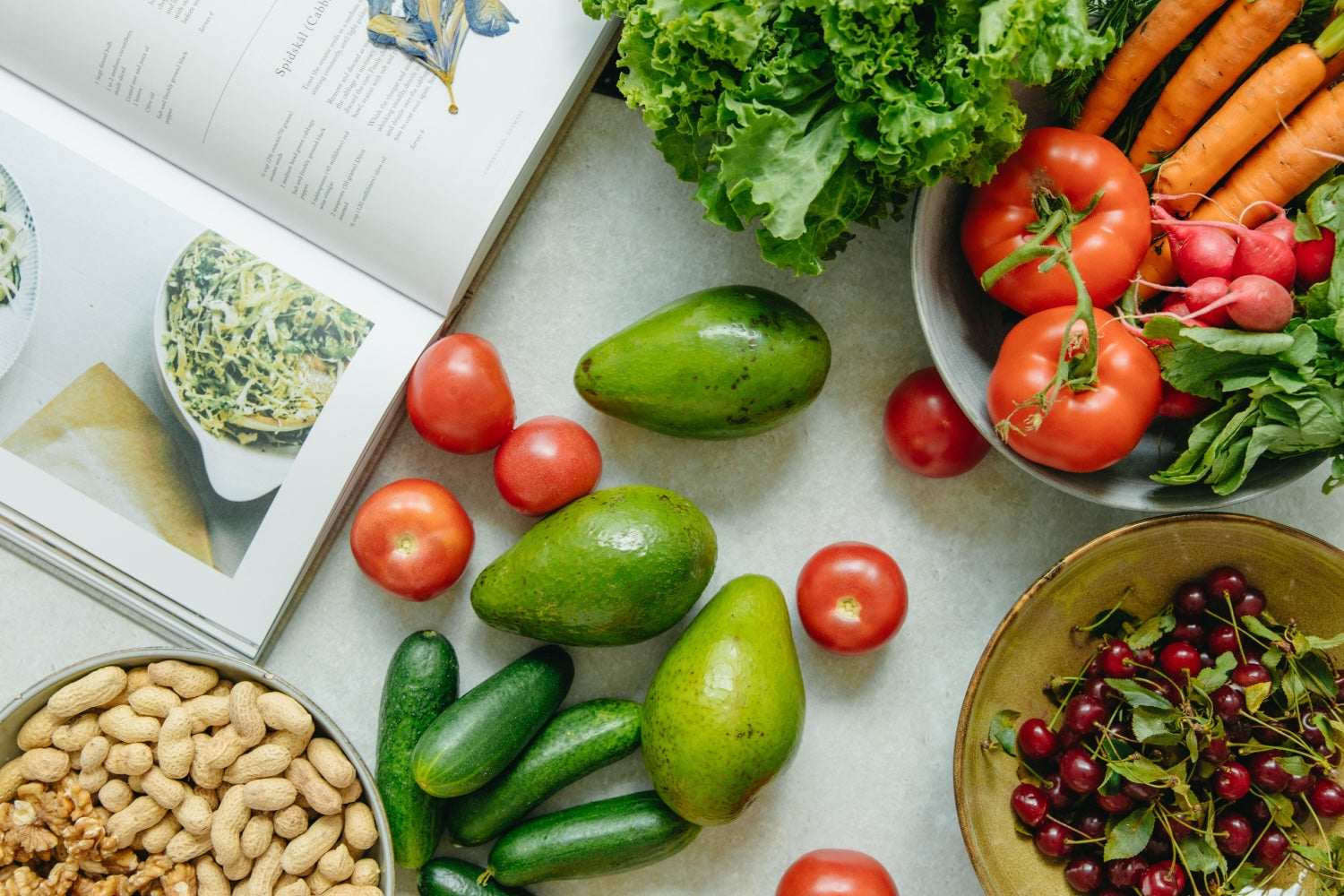
Drinking is not the only source of fluid. Nutritional estimates show that food can account for up to 20% of daily fluid intake (5). Fruits and vegetables are the most important suppliers.
Overview of particularly water-rich foods:
- Cucumber: approx. 96% water, contains potassium and magnesium
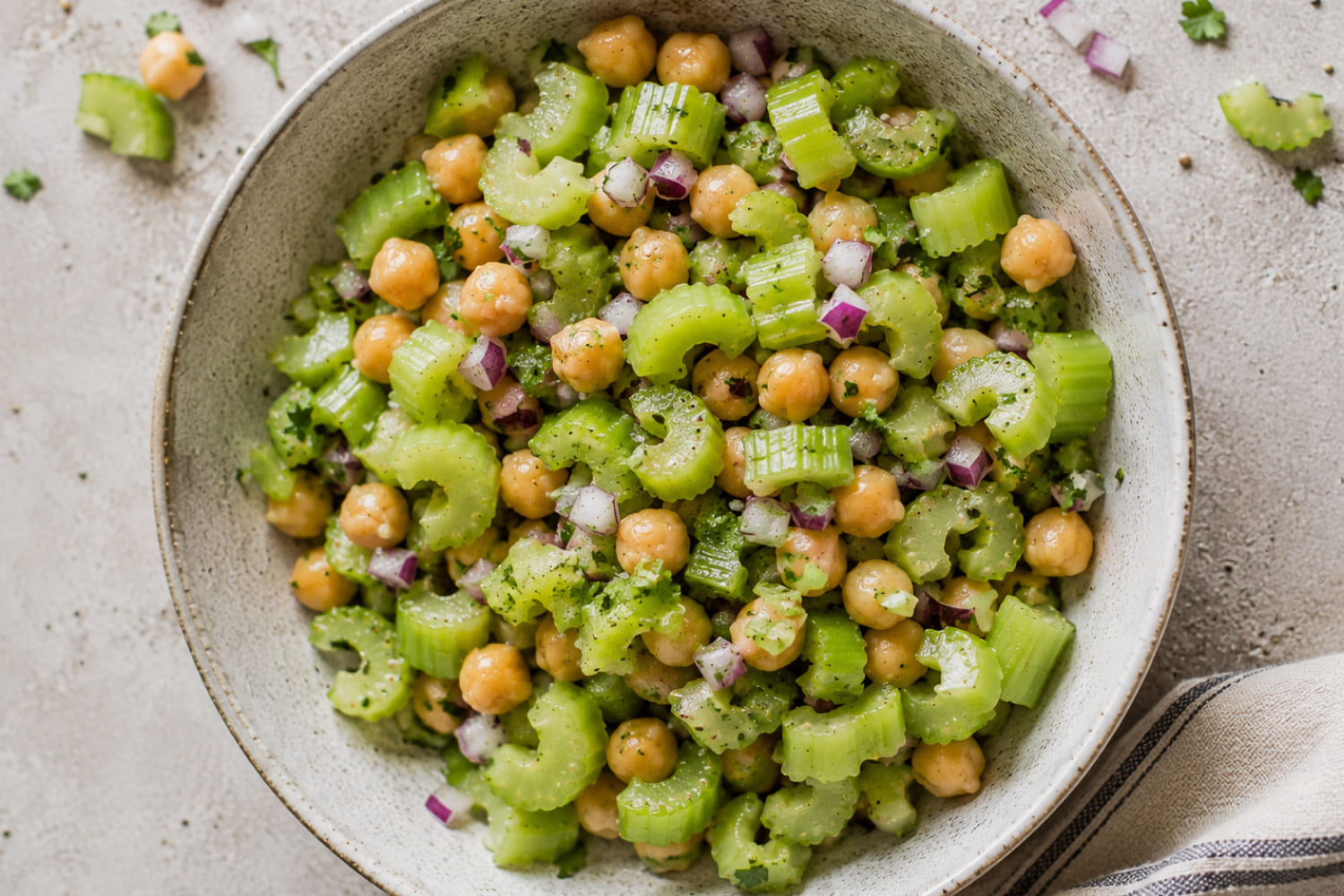
- Celery: approx. 95% water, provides potassium and folate
- Spinach: approx. 91% water, one of the most important plant-based magnesium sources
- Watermelon: approx. 92% water, contains potassium and lycopene
- Zucchini: over 90% water, provides potassium, magnesium, and vitamin C
- Tomatoes: approx. 94% water, rich in potassium and vitamin C
- Strawberries: approx. 91% water, provide vitamin C and antioxidants (3, 5)
What's special about these foods: they not only provide water but also minerals that help the body utilize and retain that water. Regularly eating cucumber, spinach, and celery does more for hydration than simply drinking large volumes of water alone.
I·DO Organic Cold-Pressed Juices and Hydration in Summer

Many of the ingredients that repeatedly appear in research on water-rich and mineral-rich foods are also found in I·DO Organic Cold-Pressed Juices.
- Easy Celery relies almost entirely on celery (91.9%) – simple, green, and pure.
- Daily Greens brings together kale, spinach, cucumber, apple, and lemon.
- Liquid Salad combines cucumber, celery, spinach, apple, lemon, and spirulina, almost like a green salad you can drink.
- Sweet Greens blends apple, cucumber, lemon, and ginger for a fresh, lightly spicy mix.
- Pineapple Passion combines apple, pineapple, passion fruit, ginger, turmeric, and lemon, making it fruity, intense, and slightly tropical.
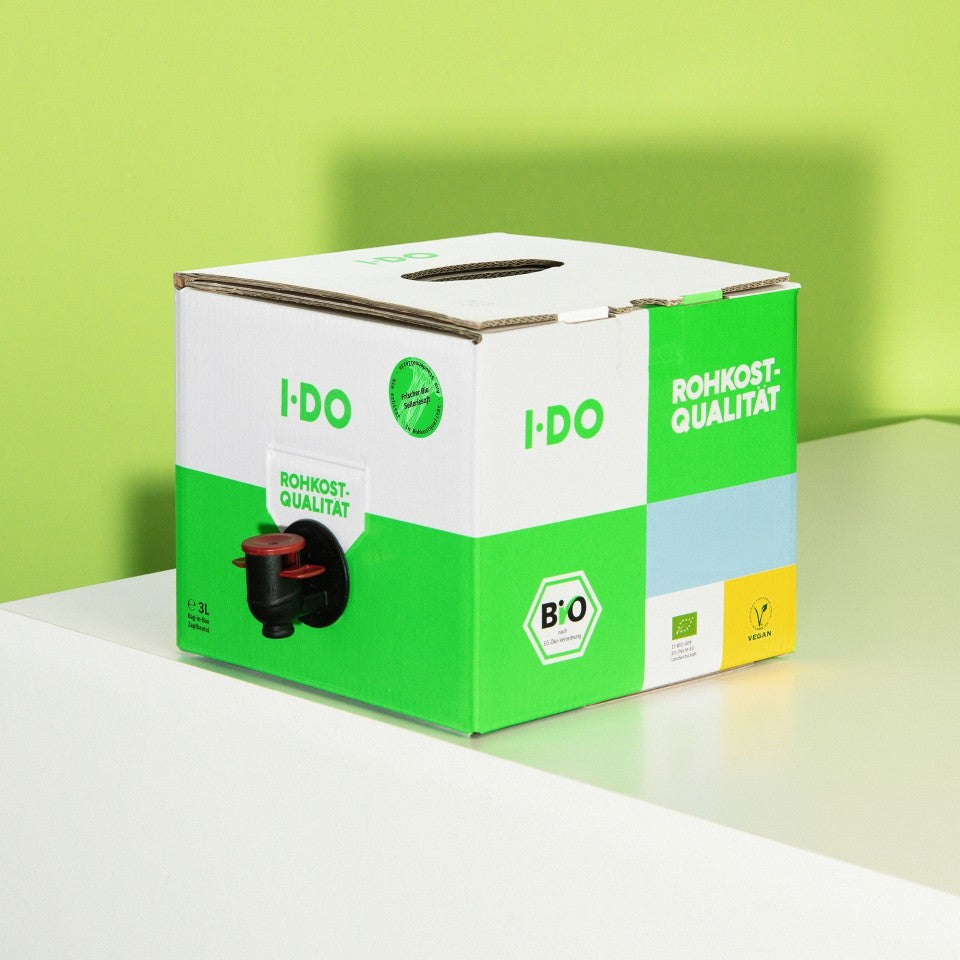
- Celery Juice Bag-in-Box 3L consists of 95% celery and 5% lemon, with approx. 15 servings in a convenient bag-in-box format.
- Fireball Reset combines apple, pineapple, ginger, passion fruit puree, acerola, and cayenne pepper powder, making it fruity, intense, and with a distinct warming kick.
All I·DO Cold-Pressed Juices are cold-pressed and preserved with high pressure instead of heat, without pasteurization. For many, they are an uncomplicated way to incorporate more organic fruits and vegetables into their daily routine without having to constantly press them themselves or prepare them elaborately.
Habits that make a difference
Hydration is less about a single moment and more about a daily practice. A few patterns that prove particularly effective in summer:
- Start early. The body loses fluid overnight, and a large glass of water on an empty stomach in the morning after waking up (or 3 small glasses of water spread throughout the day) at least partially compensates for this before the day begins.
- Drink consistently rather than large amounts at once. The body can utilize fluid better when it is supplied continuously. Large amounts at once are excreted more quickly without being fully utilized.
- Also pay attention to the temperature. Many people drink water and juices more regularly when they are not ice cold, but rather pleasantly cool.
- Consciously plan water-rich foods. Salads, raw vegetables, smoothies, and cold-pressed raw vegetable juices all contribute to the daily fluid balance (5). If you eat a large salad with cucumber, tomatoes, and spinach for lunch, you will already be getting a part of your daily needs from food alone.
- Keep an eye on electrolytes. On very hot days or after intense physical activity, not only fluid but also sodium needs to be replaced (2). This doesn't have to happen through supplements; a lightly salted meal or vegetable broth also contributes.
- Listen to your body. Dark urine is a simple indicator of increased fluid requirements. Light yellow urine is considered a rough guideline for adequate hydration (1). In older people, in extreme heat, and during physical exertion, the feeling of thirst may lag behind the actual need; in these cases, active drinking is more sensible than waiting for thirst.
Conclusion
Summer hydration is more than just counting water glasses. The body needs minerals to utilize fluid, and foods that provide both simultaneously. Understanding this provides a clearer approach, beyond liter-based guidelines and generic advice. Water-rich vegetables, mineral-rich foods, and conscious drinking habits collectively make a difference. I·DO Organic Cold-Pressed Juices can be a practical supplement for anyone who wants to easily integrate organic fruits and vegetables into their daily routine.
Sources
- Shrimanker I, Bhattarai S. Electrolytes. StatPearls [Internet]. Treasure Island (FL): StatPearls Publishing; 2023 Jul 24. PMID: 31082167.
- Braun H et al. Fluid Replacement in Sports – Position of the Working Group Sports Nutrition of the German Nutrition Society (DGE). Dtsch Z Sportmed. 2020;71:7–9.
- Jahnen-Dechent W, Ketteler M. Magnesium basics. Clin Kidney J. 2012;5(Suppl 1):i3–i14. PMID: 26069690.
- Choi DH, Cho JY, Koo JH, Kim TK. Effects of Electrolyte Supplements on Body Water Homeostasis and Exercise Performance during Exhaustive Exercise. Appl Sci. 2021;11(19):9093.
- Oliveira N. Using food to stay hydrated. Harvard Health Publishing, Harvard Medical School. July 2024.
- Tardy AL, Pouteau E, Marquez D, Yilmaz C, Scholey A. Vitamins and Minerals for Energy, Fatigue and Cognition: A Narrative Review of the Biochemical and Clinical Evidence. Nutrients. 2020;12(1):228. PMID: 31963141.