Key takeaways:
- Chronic inflammation plays a role in many diseases – from cardiovascular problems to diabetes
- The right diet can measurably reduce inflammation levels
- The basis: colorful food with plenty of fruits, vegetables, whole grains, healthy fats, and spices
- Highly processed ready-made products promote inflammation and should be avoided
- Small, sustained changes are more effective than extreme short-term diets
Did you know that chronic inflammation often goes unnoticed – but can be measurably reduced with the right diet? Learn which foods help and how our organic fruit, vegetable, and spice juices like ginger and turmeric can easily support you in everyday life.
Why inflammation can be dangerous

Normal inflammation is good. It helps fight infections and heal injuries. It becomes problematic with chronic inflammation – the immune system is constantly in overdrive, even though there is no acute danger.
Chronic inflammation is associated with many diseases (1):
- Cardiovascular diseases
- Type 2 diabetes
- Certain types of cancer
- Alzheimer's and dementia
- Autoimmune diseases like rheumatism
Research shows: Your diet plays a central role in whether inflammation in the body increases or decreases (1, 2).
Anti-inflammatory diet: The four basic principles

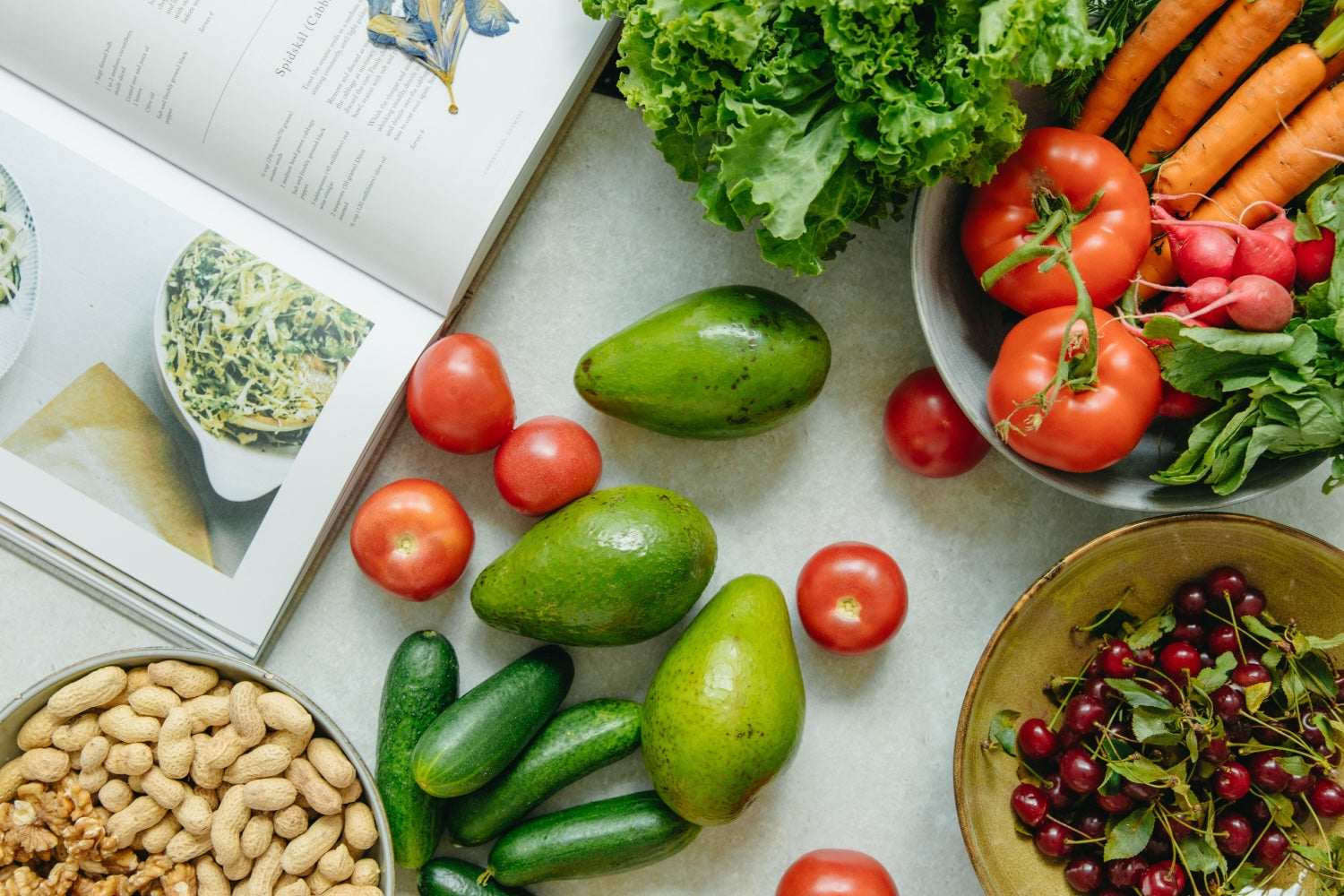
1. Eat colorful = eat healthy
Every color on your plate represents different phytochemicals that actively fight inflammation (2).
What research shows: In a large review study of 75 studies, fruits and vegetables reduced blood inflammation levels in 80% of cases (3). Particularly effective are:
- Berries (blueberries, raspberries, strawberries)
- Green leafy vegetables like spinach and kale
- Broccoli and cauliflower
- Tomatoes
2. Omega-3 fats: The natural inflammation resolvers
Omega-3 fatty acids (EPA and DHA) are converted in the body into special molecules that actively resolve inflammation (4). Studies show: 2-3 servings of fatty fish per week can significantly lower inflammation levels (4, 5).
Best sources:
- Fatty fish (salmon, mackerel, herring)
- Flaxseed and flaxseed oil
- Walnuts
- Chia seeds
In the review study, fish studies showed a reduction in inflammation levels in 78% of cases (3).
3. Eat whole foods instead of processed foods
Highly processed foods (ready meals, snacks, soft drinks) promote inflammation (6). They often contain:
- Lots of sugar and syrup
- Unhealthy trans fats
- Artificial additives
- Almost no fiber or vitamins
The solution: Go back to natural foods. The less processed, the better for your body.
4. Spices: The concentrated power against inflammation
Spices are not only delicious, they also act against inflammation at a cellular level.
Turmeric (Curcumin): A large study of 66 investigations showed: Curcumin significantly lowers inflammation markers such as CRP, TNF-α, and IL-6 (7).
Ginger (Gingerol): Ginger reduces the production of cytokines (pro-inflammatory messengers of the immune system) and inhibits further inflammatory processes in the body (8). The bioactive compounds in ginger – gingerols, shogaols, and zingerones – have strong anti-inflammatory properties (8).
Black pepper (Piperine): Enhances the absorption of curcumin by up to 2000% (7). Therefore, you should always combine turmeric with a little pepper.
The Mediterranean Diet: Best researched against inflammation
The Mediterranean diet is the most extensively studied dietary pattern of all (9). It consists of:
- Plenty of vegetables, fruits, whole grains, legumes, and nuts
- Olive oil as the main fat source
- Moderate fish consumption
- Little red meat and processed foods
The Mediterranean diet lowers the inflammation marker CRP by 20%, IL-6 by 17%, and fibrinogen by 6% (9). The anti-inflammatory effect is a major reason why this diet can protect so well against heart disease (9).
A large analysis of 116 long-term studies showed: People who ate an anti-inflammatory diet had a 39% lower risk of cardiovascular disease, type 2 diabetes, and certain types of cancer (9).
Anti-inflammatory foods: What you should eat
The top anti-inflammatory foods
Fatty fish: EPA and DHA from fish have direct anti-inflammatory effects (4)
Berries: Rich in anthocyanins, which lower inflammation markers (2)
Green leafy vegetables: Contain vitamin K, which activates anti-inflammatory proteins (2)
Nuts: A handful daily lowers inflammation markers (2)
Olive oil (extra virgin): Contains oleocanthal, which acts similarly to ibuprofen, but naturally (2)
Turmeric and ginger: Scientifically well-documented anti-inflammatory agents (7, 8)
Fermented foods: Yogurt, kefir, sauerkraut are good for the gut, which reduces inflammation (2)
What you should avoid or reduce
Sugar and white flour: Lead to blood sugar spikes and promote inflammation (1)
Trans fats: In margarine and processed baked goods, greatly increase inflammation markers (1)
Processed meat: Sausage, bacon, salami promote inflammation (1)
Too much Omega-6 oils: Sunflower oil, corn oil – an excess of Omega-6 promotes inflammation if there is too little Omega-3 in proportion. Instead, opt for olive oil and flaxseed oil. (4)
How to implement it in everyday life: An anti-inflammatory day
Breakfast
- Greek yogurt with mixed berries
- Chia seeds and walnuts
- A dash of flaxseed oil
- A pinch of cinnamon
Additionally: A ginger shot with turmeric – quick and practical for hectic mornings
Lunch
- Quinoa or brown rice
- Colorful roasted vegetables
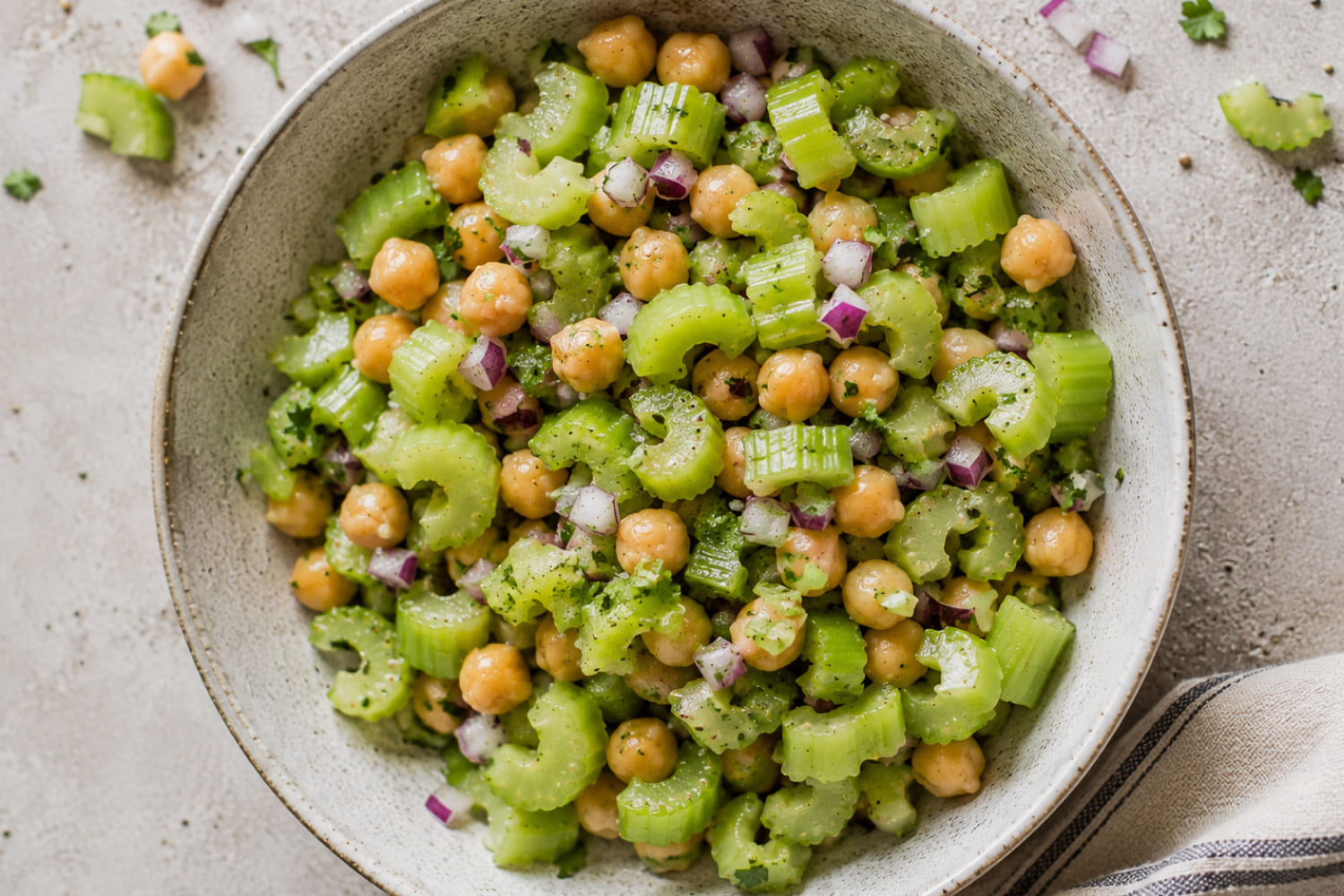
- Chickpeas
- Avocado
- Olive oil-lemon dressing with garlic
Dinner
- Salmon with broccoli
- Baked sweet potato
- Drizzled with olive oil
Snack
A handful of nuts and a few pieces of dark chocolate (at least 70% cocoa)
Ginger Shots: The practical solution for every day

For many, it is difficult to incorporate turmeric and ginger into their diet daily. Organic ginger shots offer a simple solution.
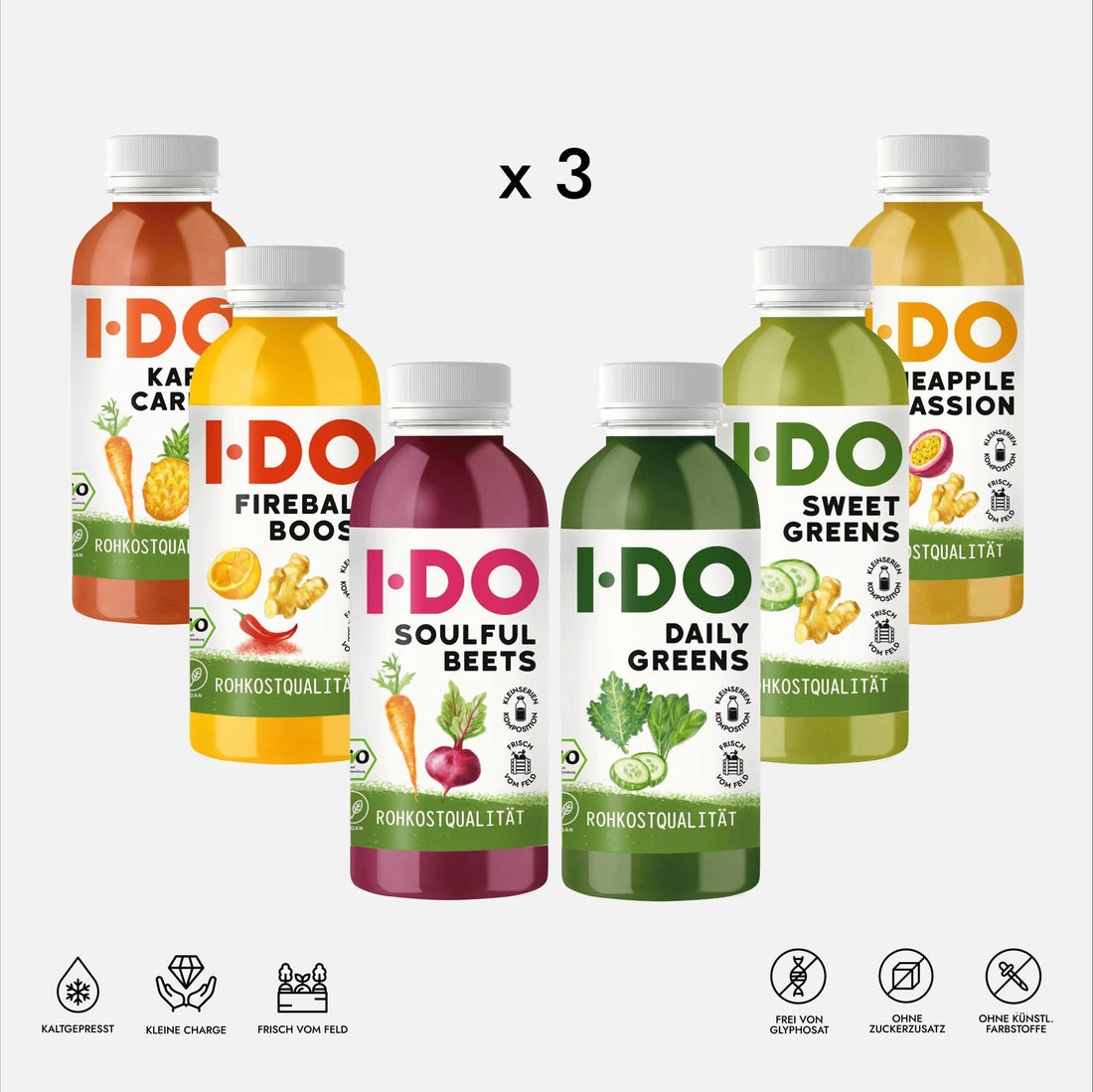
Our organic raw food products like Boost & Protect or Pineapple Passion combine ginger, turmeric, and cayenne pepper. Cayenne pepper (capsaicin) improves the absorption of curcumin (7) similar to black pepper, so your body benefits optimally.
Want to try it out? Discover our organic juices & shots – rich in anti-inflammatory ingredients and perfect for your everyday life!
How quickly does an anti-inflammatory diet work?
Research shows: Measurable changes in inflammation markers usually appear after 4-8 weeks of consistent dietary changes (2, 5). Some people notice differences after just 1-2 weeks – more energy, less joint pain, better digestion.
The key: Persistence. Small, lasting changes are more effective than radical short-term diets (9).
Conclusion: Eat yourself healthier
The science is clear: an anti-inflammatory diet works (1, 2, 5, 9). From the Mediterranean diet to individual foods like berries, fatty fish, and spices – research confirms the effect.
An anti-inflammatory diet is not an extreme diet. It is a return to whole, colorful, nutrient-rich foods. Combined with simple daily habits, you have the power to control chronic inflammation.
The message is simple. Every meal is an opportunity to fight or promote inflammation. The choice is yours.
Sources
- Sexton-Radek K. Anti-Inflammatory Diets. In: StatPearls [Internet]. Treasure Island (FL): StatPearls Publishing; 2023.
- van Zonneveld SM, van den Oever EJ, Haarman BCM, Grandjean EL. An Anti-Inflammatory Diet and Its Potential Benefit for Individuals with Mental Disorders and Neurodegenerative Diseases—A Narrative Review. Nutrients. 2024;16(16):2646.
- D'Antonio V, Ramal-Sanchez M, Bravo-Trippetta C, Corvaglia E, Serafini M, Angelino D. Unraveling the Role of Foods on Chronic Anti- and Pro-Inflammatory Cytokines: A Systematic Review of Chronic Dietary Intervention Trials in Humans. Nutrients. 2025;17:2834.
- Calder PC. Omega-3 fatty acids and inflammatory processes: from molecules to man. Biochemical Society Transactions. 2017;45(5):1105-1115. https://doi.org/10.1042/BST20160474
- Jiang R, Wang T, Han K, et al. Impact of anti-inflammatory diets on cardiovascular disease risk factors: a systematic review and meta-analysis. Frontiers in Nutrition. 2025;12:1549831.
- Lane MM, Gamage E, Travica N, et al. Ultra-processed food consumption and mental health: A systematic review and meta-analysis of observational studies. Nutrients. 2024;16(15):2568.
- Dehzad MJ, Ghalandari H, Nouri M, Askarpour M. Antioxidant and anti-inflammatory effects of curcumin/turmeric supplementation in adults: A GRADE-assessed systematic review and dose-response meta-analysis of randomized controlled trials. Cytokine. 2023;164:156144.
- Ayustaningwarno F, Anjani G, Ayu AM, Fogliano V. A critical review of Ginger's (Zingiber officinale) antioxidant, anti-inflammatory, and immunomodulatory activities. Frontiers in Nutrition. 2024;11:1364836.
- Reyneke GL, Lambert K, Beck EJ. Dietary Patterns Associated With Anti-inflammatory Effects: An Umbrella Review of Systematic Reviews and Meta-analyses. Nutrition Reviews. 2025;nuaf104.