Key takeaways:
- GLP-1 is a gut hormone that your body naturally produces after eating; it regulates satiety, blood sugar levels, and appetite
- Your microbiome plays a central role in natural GLP-1 production
- A diet of simple, unprocessed ingredients is key to natural metabolic health
- Certain foods and spices like ginger and turmeric can support the body's own GLP-1 function
- Organic I·DO Bio ginger shots like Boost & Protect or Smile & Shine can be an easy way to regularly incorporate more ginger into your daily life, without having to peel or press fresh roots.
GLP-1 is everywhere – in headlines, on social media, in conversations about weight and health. Most people know it as the hormone behind the new weight loss injections. But what many don't know is that your body produces GLP-1 naturally every day. It's a natural gut hormone that tells you when you're full, regulates your blood sugar, and controls your appetite. So the exciting question isn't how to artificially introduce it, but how to help your body produce it better itself.
What is GLP-1? Your natural satiety hormone
 GLP-1 (Glucagon-like Peptide-1) is released in your gut as soon as you eat. Its main job is simple: it tells your brain "I'm full." At the same time, it slows down digestion so your blood sugar doesn't spike but rises smoothly and steadily. This means less cravings, less snacking, more energy. (1)
If your GLP-1 signals are weak, you'll quickly notice it: you're hungry again shortly after eating, constantly reaching for snacks, and your energy levels fluctuate like a rollercoaster. This is precisely why GLP-1 is such a hot topic right now – it's the key to natural appetite control.
Natural vs. Synthetic: The Important Difference
Your body produces GLP-1 naturally every day – a finely tuned system of gut, bacteria, and hormones (1, 2). Synthetic GLP-1 medications like semaglutide or liraglutide work differently: they mimic GLP-1 at a much higher dose and for much longer than your body ever could (3).
These medications were originally developed for people with type 2 diabetes to lower blood sugar. Later, they were also approved for the treatment of clinical obesity – i.e., for people with a BMI over 30 or over 27 with weight-related health problems (3). For these patient groups, GLP-1 medications can be life-changing.
What is problematic is the trend of using GLP-1 injections purely cosmetically for weight loss, without medical necessity. These medications are not intended for healthy people who want to lose a few pounds. They should be used under medical supervision and only for serious illnesses – not as a quick fix for a summer body.
Why your gut is the key
GLP-1 is not created by willpower; it is produced in your gut and largely depends on what you eat (2, 4). Your gut bacteria also play an important role in this.
When you eat fiber (i.e., plant fibers that your body cannot digest itself), these reach your large intestine. There, they are fermented by gut bacteria – a bit like composting. This process produces so-called short-chain fatty acids. These fatty acids act as signaling molecules in the gut: they can stimulate certain gut cells to release the hormone GLP-1 (1, 4). Because these substances are produced by gut bacteria, this process also depends on how active and diverse your microbiome is in processing fiber.
A fiber-rich diet thus provides the "fuel" for your gut bacteria and thereby supports precisely the processes in the gut that are involved in GLP-1 release.
What your microbiome loves: Foods for natural GLP-1 support
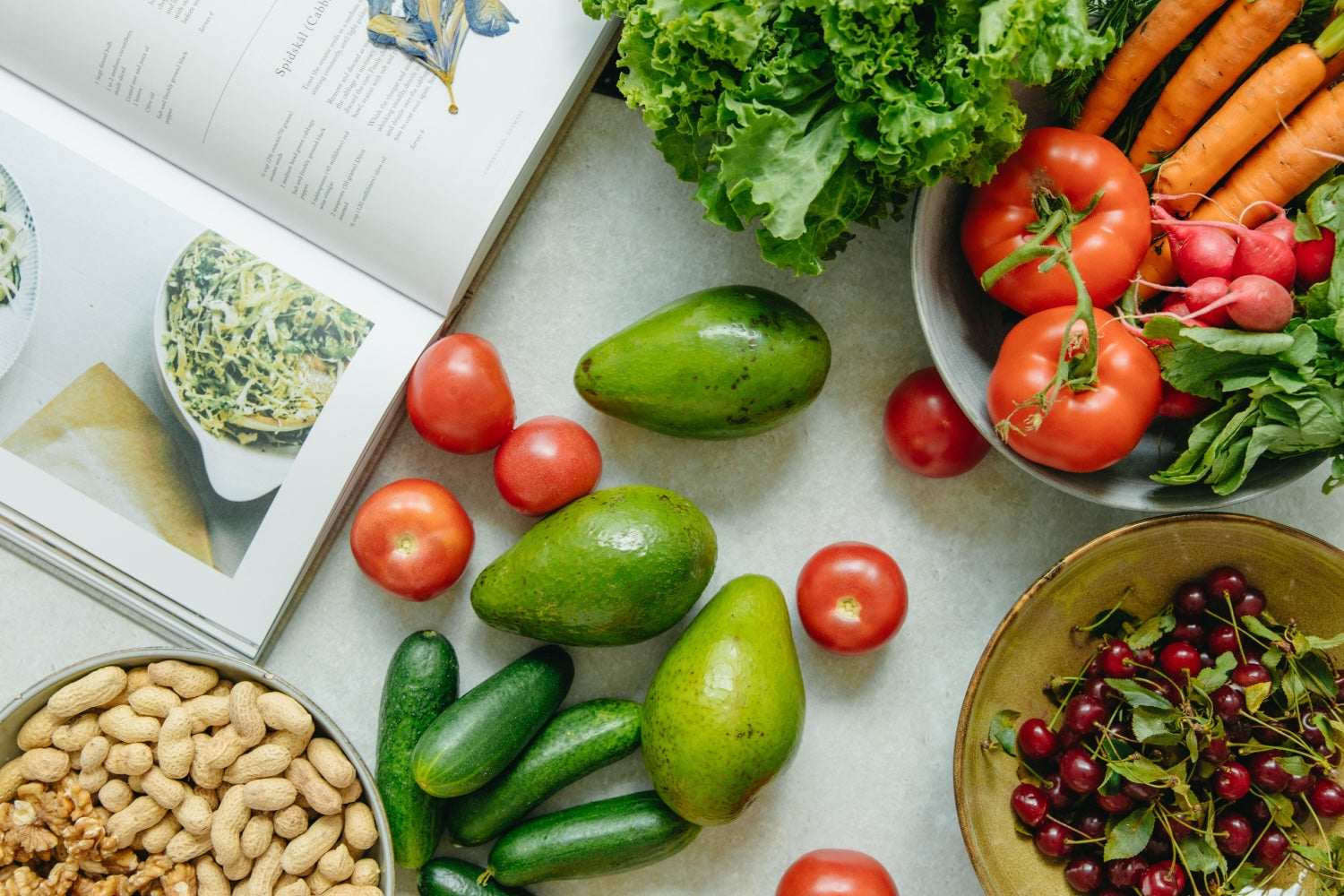
The good news: You can feed your microbiome! And with a wide variety of plant-based foods – the more colorful and varied, the better.
Fiber-rich foods: The foundation

Fiber is food for your gut bacteria and thus the key to GLP-1 production (4). The more variety, the better:
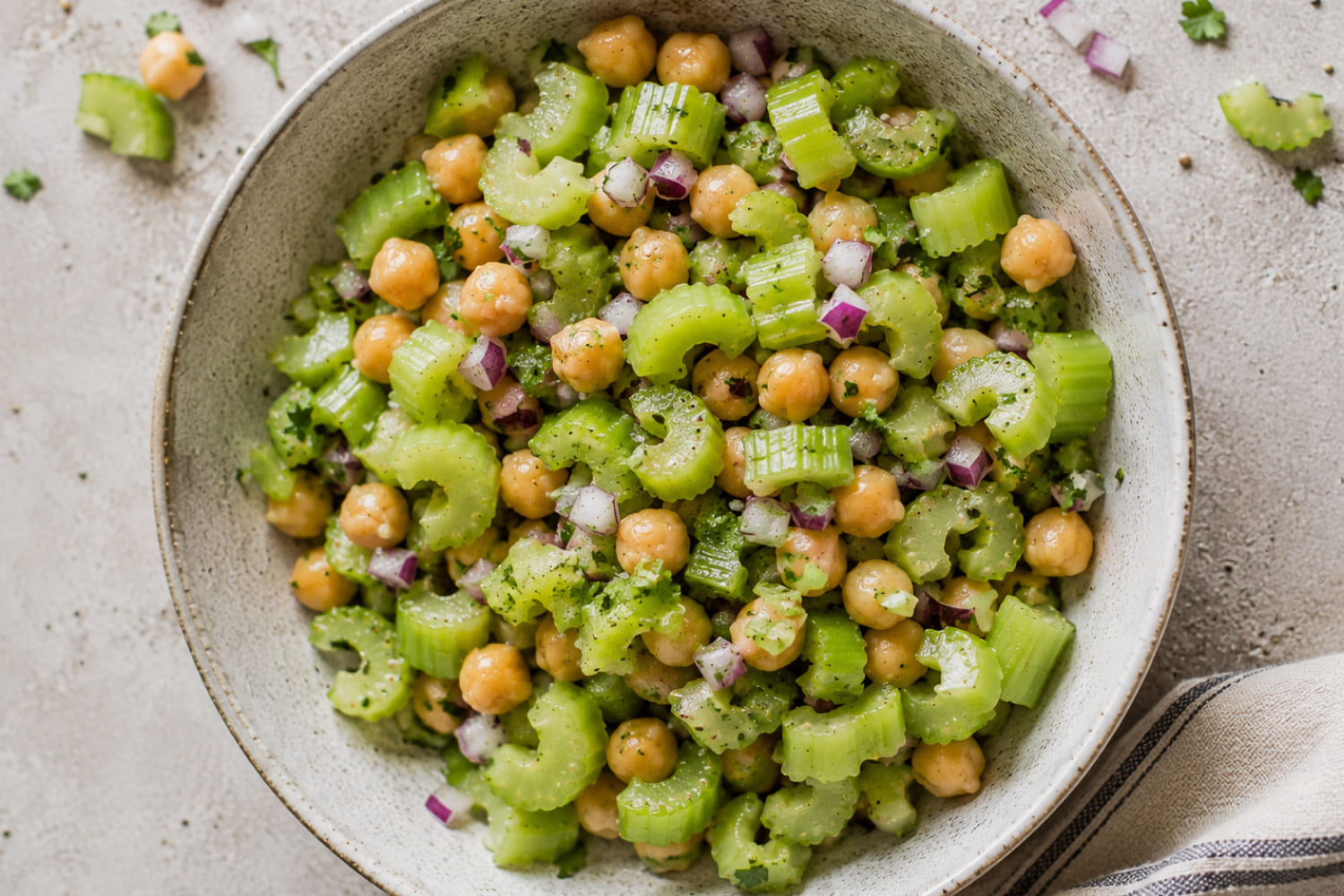
- Legumes like lentils, chickpeas, and beans provide not only fiber but also protein.
- Whole grains like oats, quinoa, and brown rice keep you feeling full for a long time.
- Vegetables like broccoli, carrots, sweet potatoes, and leafy greens are full of nutrients and fiber.
- Fruits like apples, berries, pears, and citrus fruits combine fiber with natural sweetness.
- Nuts and seeds like walnuts, chia, and flaxseeds give you healthy fats plus fiber.
Ginger: The GLP-1 Booster

Studies show that ginger – more specifically, 6-gingerol, its main active ingredient – can support GLP-1 mechanisms in the body. In studies with diabetic mice, gingerol significantly increased GLP-1 levels (4). In healthy adults, ginger extract also showed positive effects on blood sugar, which is partly attributed to GLP-1 mechanisms (6).
Ginger also slows down gastric emptying – so you feel full for longer (5, 6).
Turmeric and other spices

Turmeric with its active ingredient curcumin supports gut health and can promote GLP-1 secretion (7). Cinnamon also helps stabilize blood sugar, and cayenne pepper can improve the absorption of other spices like turmeric.
The Enemy: Ultra-processed foods
While certain foods support GLP-1, there are also those that disrupt it: ultra-processed foods (UPFs). These are products with long ingredient lists full of additives and E-numbers – ready meals, chips, soft drinks, heavily processed sausage products.
The rule of thumb: More than 5-6 ingredients or ingredients you can't visualize? Probably ultra-processed. These products can disrupt your microbiome, promote inflammation, and mess with your natural hunger-satiety regulation.
The alternative is unprocessed or minimally processed foods with short, understandable ingredient lists.
Simple habits for natural appetite control
The best way to support your natural GLP-1 production is a diet of simple, unprocessed ingredients. Here are practical habits you can implement right away:
1. Focus on whole foods – fresh fruits and vegetables, whole grains, legumes, nuts, and seeds. The more colorful and varied your plate, the better for your microbiome.
2. Eat slowly – Your body needs 15-20 minutes to send satiety signals. Take your time with your meals.
3. Incorporate daily fiber and plant diversity – Try to eat different plant-based foods every day. Whether broccoli, apples, lentils, or walnuts: variety is key.
4. Use spices and herbs regularly – Ginger, turmeric, cinnamon can not only add flavor but also support your metabolism. In a hectic everyday life, however, it can be difficult to peel and process fresh ginger daily or to elaborately prepare vegetables. Therefore, practical solutions – such as pre-washed salad or concentrated ginger shots – are a good way to stay on track.
5. Avoid constant grazing – Clear meals with breaks in between help your body regulate hunger and satiety better.
6. Reduce ultra-processed foods – Products with long ingredient lists, many E-numbers, and additives disrupt your microbiome. The rule of thumb: More than 5-6 ingredients or ingredients you can't visualize? Better to leave them out.
7. Drink enough water – to support your digestion and microbiome.
Organic Ginger Shots: Practical helpers in everyday life

Our organic raw food ginger shots are concentrated beverages with ginger as the main ingredient, often combined with other ingredients such as turmeric, apple, pineapple, lemon, and cayenne pepper. They offer a convenient way to regularly consume these spices without having to peel and press fresh roots daily.
If you like it intense and compact, our organic mini shots (60 ml) are perfect for on the go or as a quick boost in the morning.
- Boost & Protect combines apple, pineapple, lemon, ginger (5%), turmeric (5%), and cayenne pepper – a spicy, hot combination.
- Smile & Shine focuses entirely on ginger power with 18% ginger juice – intense ginger flavor, but without the heat of cayenne or turmeric. Perfect if you love ginger but want to do without the extra spice.
If you prefer larger portions, there are also organic maxi shots (300 ml). Fireball Fit contains apple, pineapple, lemon, ginger, turmeric, and cayenne pepper, while Fireball Protect offers a refreshing variant with blue spirulina.
For those who want to integrate spices into their routine long-term, there are 24-day I·DO Bio cures like the Turmeric Flash ginger cure or the NaturKraft-IngwerKur – a simple method to stay consistent every day.
You can drink our organic ginger shots neat (preferably in the morning), dilute them with water, or mix them into smoothies. Important: ginger shots are not a substitute for a balanced diet, but a practical supplement to regularly integrate spices like ginger and turmeric into your daily life.
Conclusion
GLP-1 is not a pharmaceutical trend, but a natural gut hormone that is influenced every day by what you eat. The good news: You can support your microbiome naturally and affordably to stimulate this important hormone and at the same time promote your long-term metabolic health.
Synthetic GLP-1 medications have their justification in serious illnesses such as type 2 diabetes and clinical obesity. But for most of us, the key to a healthy metabolism lies in the basics: real food, variety, and a healthy microbiome.
Sources
- Tolhurst G, Heffron H, Lam YS, Parker HE, Habib AM, Diakogiannaki E, Cameron J, Grosse J, Reimann F, Gribble FM. Short-chain fatty acids stimulate glucagon-like peptide-1 secretion via the G-protein–coupled receptor FFAR2. Diabetes. 2012;61:364–371.
- Zeng Y, Wu Y, Zhang Q, Xiao X. Crosstalk between glucagon-like peptide 1 and gut microbiota in metabolic diseases. mBio. 2024;15:e02032-23.
- Cleveland Clinic. GLP-1 agonists. Cleveland Clinic. Updated July 3, 2023.
- Vinelli V, Biscotti P, Martini D, Del Bo’ C, Marino M, Meroño T, Nikoloudaki O, Calabrese FM, Turroni S, Taverniti V, et al. Effects of dietary fibers on short-chain fatty acids and gut microbiota composition in healthy adults: a systematic review. Nutrients. 2022;14:2559.
- Samad MB, Mohsin MNAB, Razu BA, et al. [6]-Gingerol from Zingiber officinale potentiates GLP-1 mediated glucose-stimulated insulin secretion in pancreatic β-cells and increases RAB8/RAB10-regulated membrane presentation of GLUT4 transporters in skeletal muscle to improve hyperglycemia in Leprdb/db type 2 diabetic mice. BMC Complement Altern Med. 2017;17:395.
- Diakos A, Silva ML, Brito J, Moncada M, de Mesquita MF, Bernardo MA. The effect of ginger (Zingiber officinale Roscoe) aqueous extract on postprandial glycemia in nondiabetic adults: a randomized controlled trial. Foods. 2023;12:1037.
- Kim C-E, Kim K, Park E-Y, Oh YS. Integrating clinical evidence with natural product therapies for elderly-onset type 2 diabetes. Frontiers in Pharmacology. 2025;16:1658881.