The essentials in brief:
- A 30-year long-term study with over 100,000 participants shows: the right diet doubles your chances of a healthy life in old age
- People with the healthiest diets had an 86% higher chance of being physically fit, mentally clear, and emotionally stable at age 70
- At an age threshold of 75, the chances were even 2.24 times higher
- It's not about a magic diet formula, but about long-term, sustainable eating patterns
- The key: More fruits, vegetables, whole grains, nuts, legumes, and healthy fats – less processed foods, trans fats, and red meat
Imagine you could make a decision today that doubles your chances of being physically fit, mentally clear, and emotionally stable at 75+ years old. No expensive treatment, no complicated protocol – just what regularly lands on your plate. This is exactly what a groundbreaking long-term study, recently published in Nature Medicine, shows, having followed more than 100,000 people over 30 years (1).
Healthy aging with the right diet: 30 years of research, a clear message
Researchers from the Harvard T.H. Chan School of Public Health tracked the lives of over 100,000 healthcare professionals for three decades, from 1986 to 2016. Their goal: to find out how diet in middle age affects healthy aging. The results are impressive and unambiguous.
Of the 105,015 participants, 9,771 people (9.3%) achieved what the researchers defined as "healthy aging": they reached at least 70 years of age without severe chronic diseases and maintained their cognitive clarity, physical function, and mental health (1).
Healthy aging definition: What does healthy aging really mean?

The study defined healthy aging as a comprehensive state that includes four areas:
- Mental health: No cognitive impairment or memory problems
- Physical function: Ability to perform daily activities such as climbing stairs, walking, or housework without restrictions
- Emotional health: No depressive symptoms
- Freedom from chronic diseases: None of the 11 major chronic diseases, including cancer, diabetes, heart attack, stroke, Parkinson's, or chronic kidney diseases
This holistic approach is crucial: it's not just about getting old, but about getting old healthily and independently.
Healthy eating in old age: The dietary patterns that make the difference
 The researchers examined eight different dietary patterns and diets for healthy aging, including:
- Alternative Healthy Eating Index (AHEI): A scientifically developed score that rates foods based on their impact on chronic diseases.
- Mediterranean Diet (aMED): The traditional diet of the Mediterranean region with plenty of olive oil, fish, vegetables, and whole grains.
- DASH Eating Plan: Originally developed to lower blood pressure, focusing on vegetables, fruits, and low-sodium foods.
- Plant-based diets: Diets that emphasize plant-based foods.
All showed positive effects, but the AHEI stood out particularly. People who adhered most closely to the AHEI had an 86% higher chance of aging healthily at age 70 compared to those with the lowest score (1). Even more impressively: at an age threshold of 75, the chances were 2.24 times higher, meaning more than double.
What's behind these dietary patterns?

The most successful dietary patterns had common characteristics:
What was eaten:
- Plenty of fruit (especially berries)
- Diverse vegetables (especially leafy greens and dark vegetables)
- Whole grains
- Nuts and legumes
- Healthy fats (especially unsaturated fatty acids)
- Low-fat dairy products in moderate amounts
What was avoided:
- Highly processed foods
- Trans fats
- Excessive salt
- Sugary drinks
- Red and processed meat
People with the highest UPF consumption (UPF - Ultra-Processed Foods) had a 32% lower chance of healthy aging compared to those with the lowest consumption (1). The message is clear: the more natural and less processed the food, the better for your long-term well-being and healthy aging.
Tips for healthy aging: Each area individually benefits from a healthy diet
What makes the study particularly significant: A healthy diet not only affected the overall picture but also each individual health area:
- Mental clarity: 22-65% higher chance of intact cognitive function
- Physical fitness: 38-130% higher chance of full physical function
- Mental health: 37-103% higher chance of good psychological well-being
- Disease-free: 32-75% higher chance of remaining free from chronic diseases
- Longevity: 33-117% higher chance of reaching 70 years (1)
No magic diet formula, but long-term patterns
Here's perhaps the most important finding: There isn't one perfect diet. What counts are long-term, sustainable eating patterns.
The study showed that various healthy diets – whether Mediterranean, DASH, or plant-based – were all associated with healthy aging. The common denominator? A focus on whole, plant-based foods with moderate inclusion of healthy animal products.
The Time Factor
The researchers calculated the participants' average diet over 14 years (from 1986 to 2010) and then tracked them for another 6 years until the assessment of healthy aging in 2016. This long observation period shows: What you eat today determines tomorrow.
Healthy aging through diet: Who benefits most?
Interestingly, the study found that certain groups particularly benefited from a healthy diet:
- Women showed stronger associations than men for most dietary patterns
- Smokers showed particularly pronounced positive effects from healthy eating
- People with a higher BMI (over 25 kg/m²) showed stronger effects
- People with lower physical activity benefited more from a good diet (1)
This means: Even if you have other risk factors, a healthy diet can make a significant difference.
Practical Implementation: Plant-based variety made easy
The findings of this study may be scientifically complex, but the implementation is surprisingly simple:
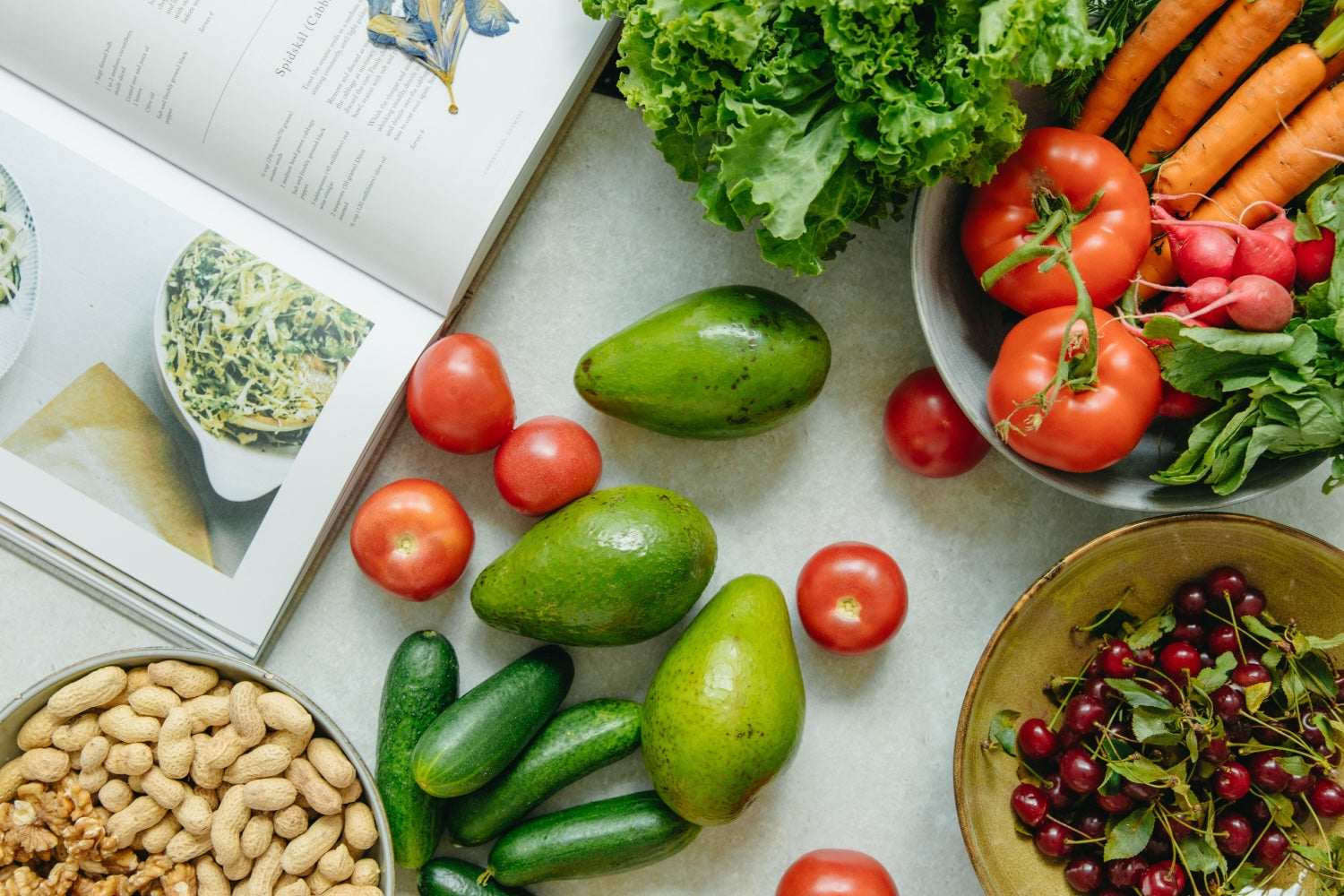
- More plants: Fill your plate with colorful vegetables and fruits
- Whole grains instead of white flour: Choose whole wheat bread, brown rice, and oatmeal
- Good fats: Nuts, seeds, avocados, and high-quality vegetable oils
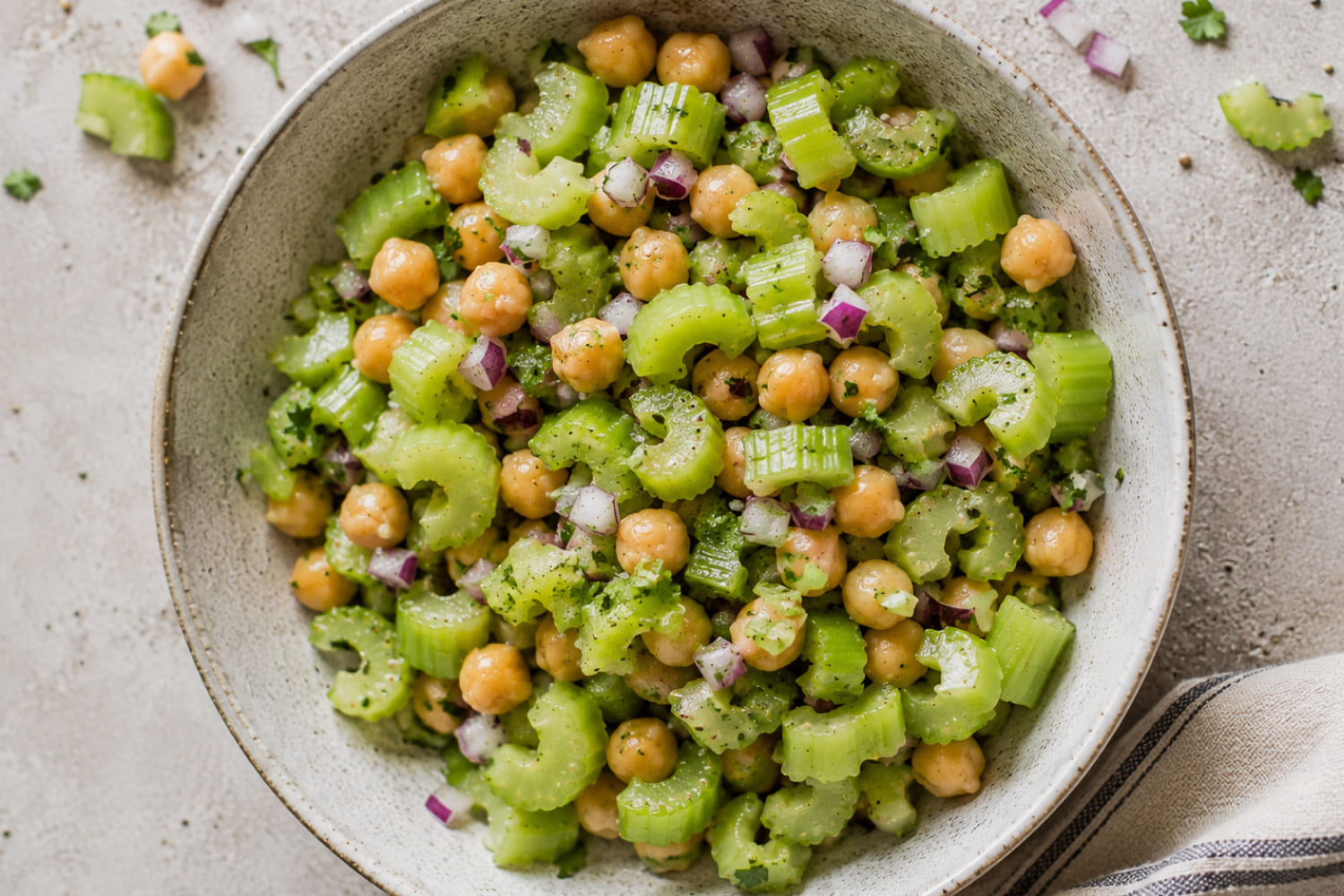
- Legumes regularly: Lentils, beans, chickpeas are protein and fiber bombs
- Less processed foods: Reduce ready meals, fast food, and highly processed snacks
- Moderate animal products: If consumed, choose high quality and in moderation
Small habits, big impact

More plant-based variety often sounds like new routines, more planning, and extra time in the kitchen. In real everyday life, however, this is often exactly where good intentions fail. That's why, in our view, it's less about perfection and more about small, repeatable habits that can truly be integrated into the day.
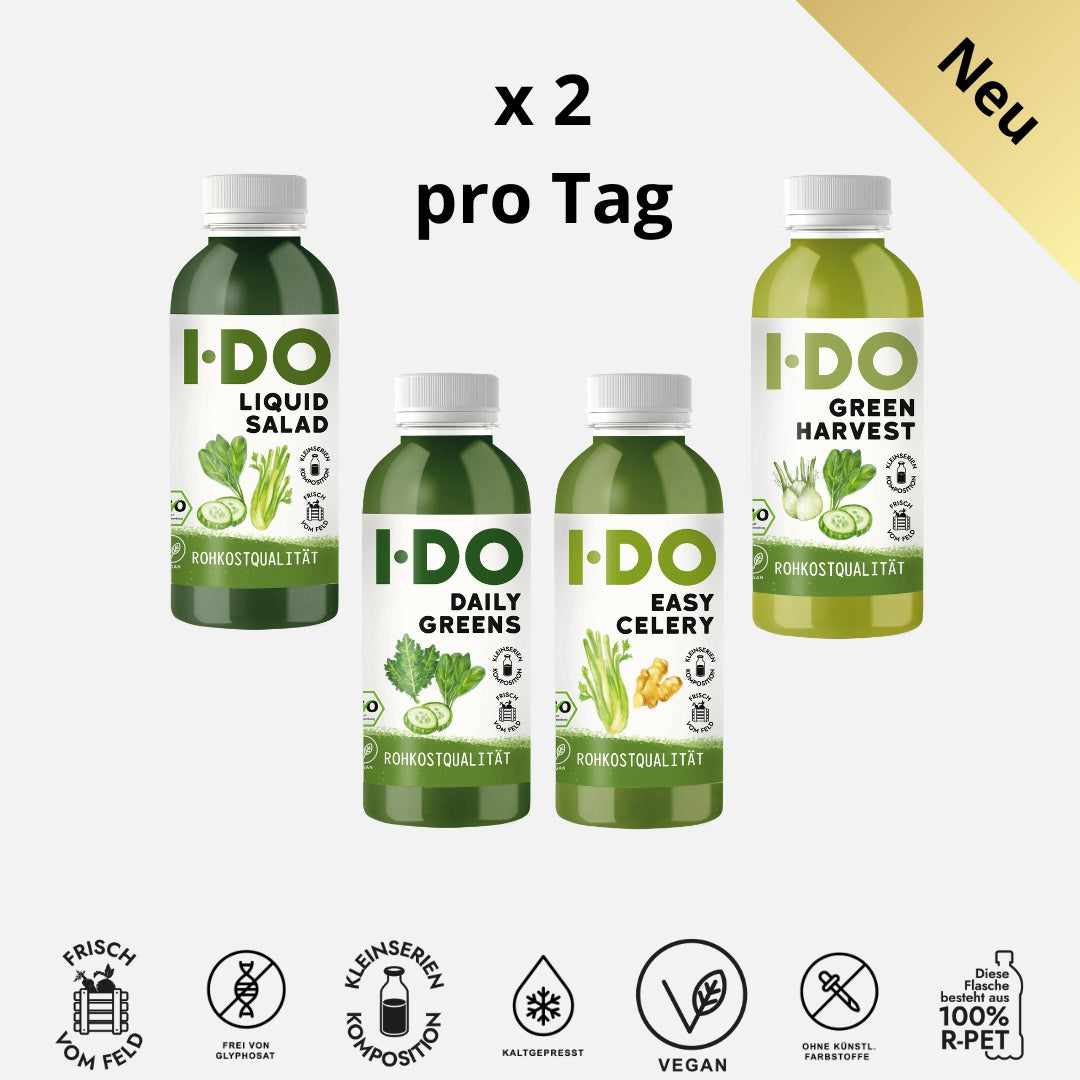
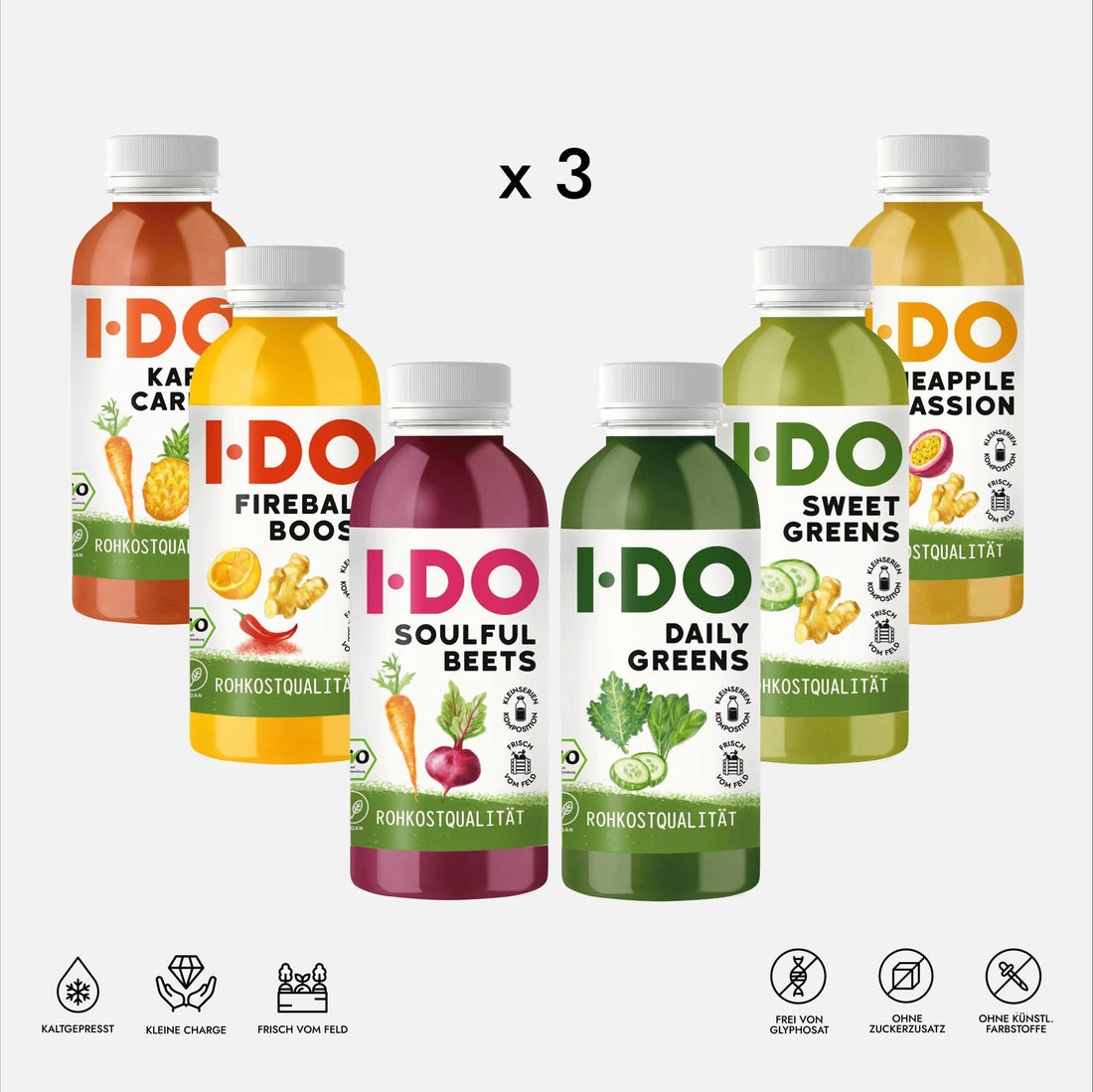
For many, juices are an easy way to incorporate fruits and vegetables into their daily lives, especially on days when there's no time for cooking or preparation. Our organic cold-pressed juices are designed to support exactly that: short ingredient lists, plenty of fruits and vegetables, and selected superfoods like turmeric or ginger, which bring variety to the day. An uncomplicated habit for hectic days that can be maintained in the long term.
Conclusion: Healthy aging through proper nutrition – Investment in your future
This comprehensive 30-year study provides us with a clear, evidence-based message: what you eat today shapes your life tomorrow. The good news? You have control over it.
It's not about being perfect or following a rigid diet. It's about establishing long-term patterns that are rich in whole, plant-based foods, with moderate inclusion of healthy animal products.
The numbers speak for themselves. Doubling your chances of a healthy, self-determined life in old age through your dietary choices. This is not abstract theory, but proven by 30 years of research on over 100,000 people.
Every meal is an opportunity to invest in your future. Every apple, every handful of nuts, every plate of colorful vegetables brings you closer to the goal of being full of energy, mentally clear, and physically active at 70, 75, 80+ years old.
The question is not whether you can afford to eat healthy. The question is whether you can afford not to.
Sources