How does a juice cleanse actually work and what should I look out for? Which juices are suitable and what side effects can occur? We have addressed the twelve most important questions about juice cleanses – and provide you with all the answers in this article.
1. What is a juice cleanse and what is it good for?
A juice cleanse is a modified form of therapeutic fasting: for a few days, solid food is completely avoided. Instead, you consume about 800 calories a day in the form of fruit and vegetable juices. The reduced energy intake triggers the activation of so-called autophagy, the self-cleansing process of cells. As a result, the body's own regenerative processes are set in motion, eliminating toxins.
A juice cleanse can therefore be understood as a kind of reset for the body. This fresh start can help to break tiresome eating habits, reduce stress, or provide a fresh start to a new phase of life.
2. What is the process of a juice cleanse?
So much for the theory. But how exactly does a juice cleanse work? The cleanse begins with a few preparation days, during which you prepare yourself physically and mentally for fasting. During this time, you should avoid heavy food, stop consuming alcohol and coffee, and boost your metabolism. This helps to curb hunger and appetite in advance and makes it easier to stick to the juice cleanse.
During the fasting phase, you consume two liters of juice daily: with an I·DO juice cleanse, you pamper your body with a blend of raw fruit and vegetable juices. They contain numerous vitamin boosters that also taste delicious. We recommend enjoying a juice every two hours. In between, drink plenty of water and unsweetened tea.
After the juice cleanse, the body must get used to solid food again. Therefore, the first few days should not include any heavy, greasy recipes. Light meals like salads and soups are better.
3. Which juices are suitable for a juice cleanse?
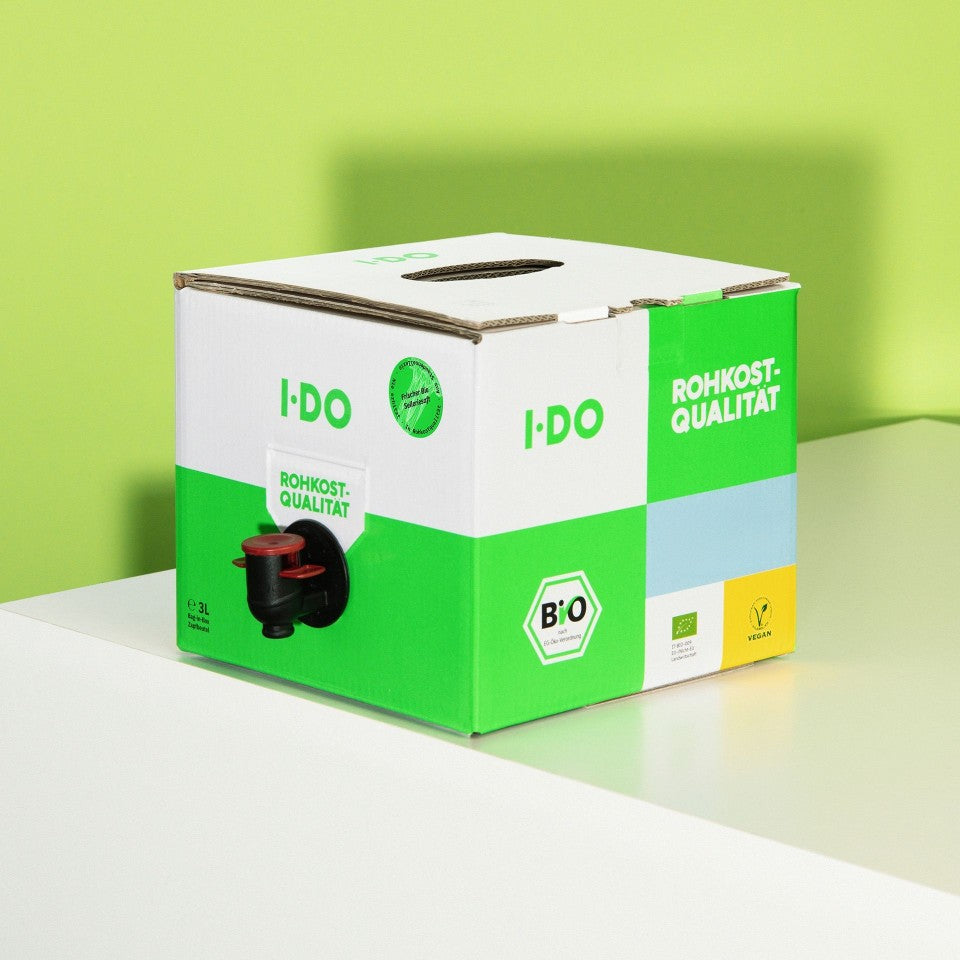
Basically, there are two options for a juice cleanse at home: You can do the juice cleanse yourself and freshly press the necessary drinks daily using a juicer. Or you can opt for a pre-made cleanse that already contains all the juices for the desired duration. While the latter option may involve slightly higher costs, it is significantly less effort. After all, the juices arrive at your home freshly pressed and perfectly balanced. For example, I·DO juice cleanse boxes contain a delicious mix of fruit and vegetables – all cold-pressed and of high organic quality.
In principle, a juice cleanse should always consist of pure juices without additives and contain a balanced mixture of fruit and vegetables. This ensures that the body is supplied with important nutrients despite the fasting phase. By the way, a juice cleanse with smoothies is not very advisable, as the digestive tract has to work harder due to the plant fibers contained – the longed-for break for the gut is consequently reduced.
4. What are you allowed to eat during a juice cleanse?
While light meals are allowed on the preparation and post-cleanse days, solid food is completely avoided during the juice cleanse itself. Coffee and sugary drinks are also taboo. In addition to the juices, sufficient water intake is therefore particularly important. For a bit of flavor and an extra kick of freshness, we recommend homemade vitamin water, for example with cucumber and mint or ginger and lemon. To warm up a bit, unsweetened teas or a cup of vegetable broth are suitable.
Tip: If the hunger is absolutely unbearable or your circulation feels weak, a teaspoon of honey can work wonders.
5. How long should a juice cleanse last?
We believe that a proper juice cleanse should last at least five days for the positive effects of fasting to reveal themselves. However, beginners can also easily start with a shorter fasting duration. The 3-day cleanse as well as the 5-day cleanse are particularly popular. Experienced fasters often abstain for up to two weeks. At I·DO, you have the option to set up a juice cleanse according to your individual needs and goals: take a break from everyday life for 3, 5, or 6 days.
6. How often can you do a juice cleanse?
How often a juice cleanse can be done is a very individual decision. A common recommendation is one to two times a year, although more frequent juice fasting is also possible. In any case, there should be a break of about three months between individual cleanses to allow the body to regenerate and strengthen. If you are unsure, it is best to discuss the duration and frequency of the cleanses with a doctor.
7. Who is a juice cleanse suitable for?
A juice cleanse is suitable for all adults who want to give their body and mind a break or want to change their diet. Anyone suffering from a medical condition such as metabolic diseases or chronic ailments should talk to a doctor before starting the fast. Pregnant and breastfeeding women should avoid fasting.
Soothing Organic Juice Cleanses with Raw Juices
8. When should you do a juice cleanse – and when not?
Basically, you can start a juice cleanse anytime and anywhere, provided you have sufficiently prepared your body for it. Many start a juice cleanse to break bad eating habits or to improve their general well-being. Perhaps at the turn of the year or as a break during vacation.
Since the body receives little energy during a juice cleanse, you should choose a time when you can take enough time for yourself. Constantly running from one meeting to the next is rather counterproductive during a juice cleanse. The cleanse should also be postponed if you have physical complaints or an illness.
9. Can you lose weight with a juice cleanse?
Juice fasting is not a diet aimed at weight reduction. Rather, it is about cleansing the body, boosting the metabolism, and increasing general well-being. Nevertheless, many fasters lose weight during the food-free phase. This is largely stored water that decreases due to the detoxifying effect of the juice cleanse. Therefore, a juice cleanse should be used less for weight loss and more as a conscious entry into a new, healthier diet.
10. Can I exercise during a juice cleanse?
Absolutely! Exercise is actually particularly good during the cleanse because it stimulates the metabolism and releases happiness hormones. However, you shouldn't overdo it. Yoga, Pilates, and long walks are particularly suitable. Intense HIIT workouts should probably be saved for afterwards.
11. What side effects can there be?
Due to the energy deficit, mild side effects can occur during longer juice cleanses. For example, the sensation of cold may be increased because the body has less energy available and lacks warming meals. Headaches, dizziness, and malaise can occur, but do not have to. Sometimes the change in diet also manifests in a deterioration of skin condition. However, all these side effects should not last longer than the cleanse itself and should subside after a few days. In case of doubt, it is better to consult a doctor.
12. And what does science say about the juice cleanse?
Similar to therapeutic fasting and intermittent fasting, the juice cleanse is also controversial from a scientific point of view. Frequently promised effects have not yet been proven because clinical human studies on this topic are largely missing. Furthermore, the German Nutrition Society confirms that the body is capable of cleansing itself without assistance. Nevertheless, a cleanse can represent an entry into changing eating behavior.
Drinking freshly pressed organic juices is certainly not unhealthy. We find that a multi-day juice cleanse is a welcome change and a challenge that lets us rethink our eating habits and strengthens our awareness of our body. In the end, of course, the mindset and your own juice cleanse experience are what count.
Text: Janina Widhammer-Zintl
Want to try it yourself?
Discover our cold-pressed organic juices and raw juice cleanses – direct from our facility.
Discover now